Scaling a HoopLife Clinic to Your Group Size and Budget
How HoopLife sizes a basketball clinic and its coaching team to fit your community's group and budget, without cutting the program short.

- HoopLife scales the coaching team to your group size rather than capping how many kids can take part.
- A standard clinic runs two full days: skill work, scrimmaging, fitness circuits and the Confidence, Leadership and Basketball IQ sessions.
- Lowering per-child cost is done by adjusting coach count, not by shortening the program.
- Groups are mixed by age and ability on the day, so no prior basketball experience is needed.
- A community only needs to provide a gym with working hoops and one local point of contact.
Yes, a HoopLife clinic can be scaled to fit your group size and your actual budget. The honest way to do it is by adjusting the number of coaches, not by cutting the program itself. Tell us roughly how many kids to expect and what the budget looks like, and HoopLife builds a real plan around both.
Coordinators booking a clinic are almost always doing it inside a budget that someone else has to approve, whether that is a band office, a school board, or a town council. The question is never really "can we afford HoopLife." It is "how do we make this work for the number we have and the money we have." That is a fair question, and it has a real answer.
How does HoopLife fit a clinic to a smaller budget?
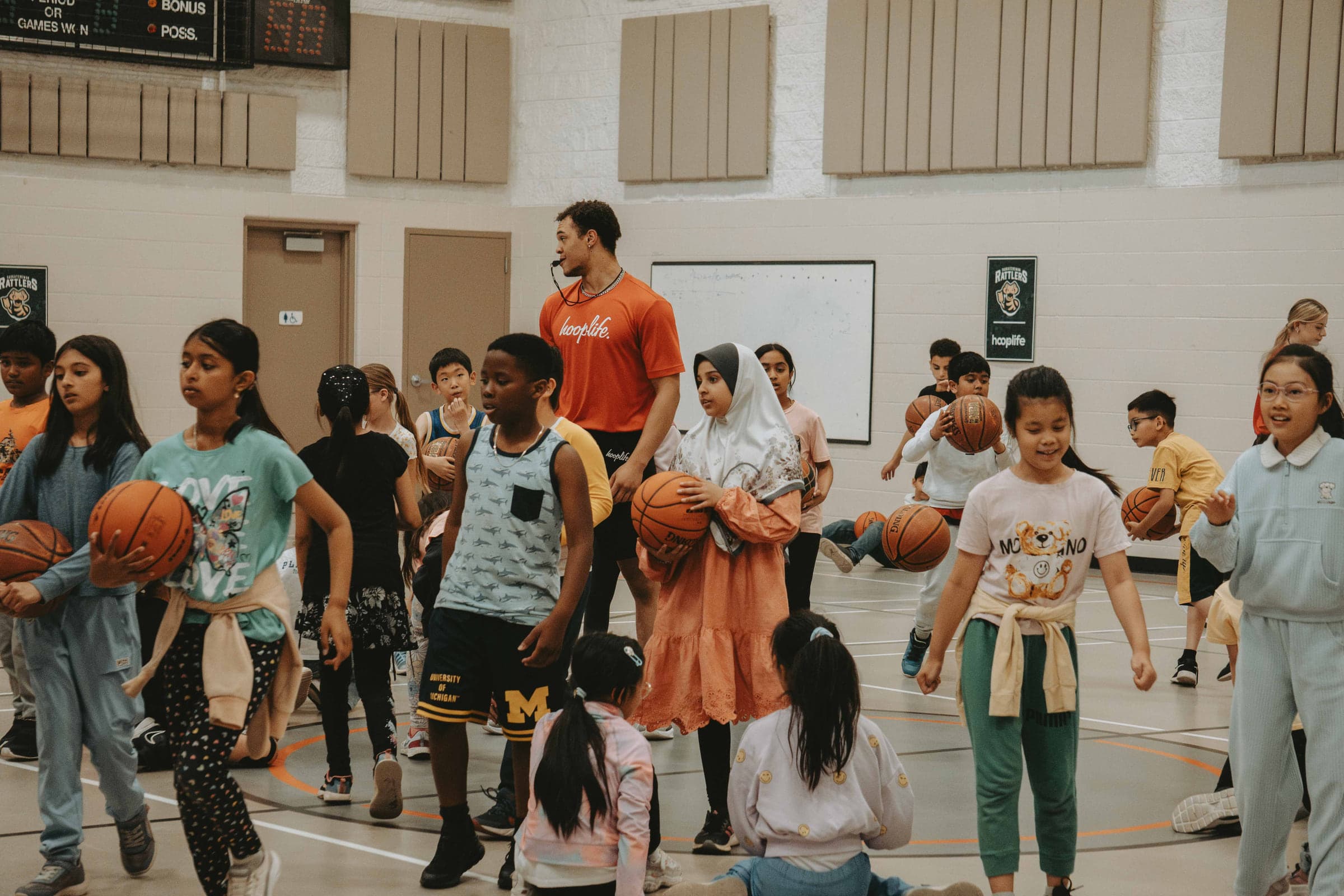
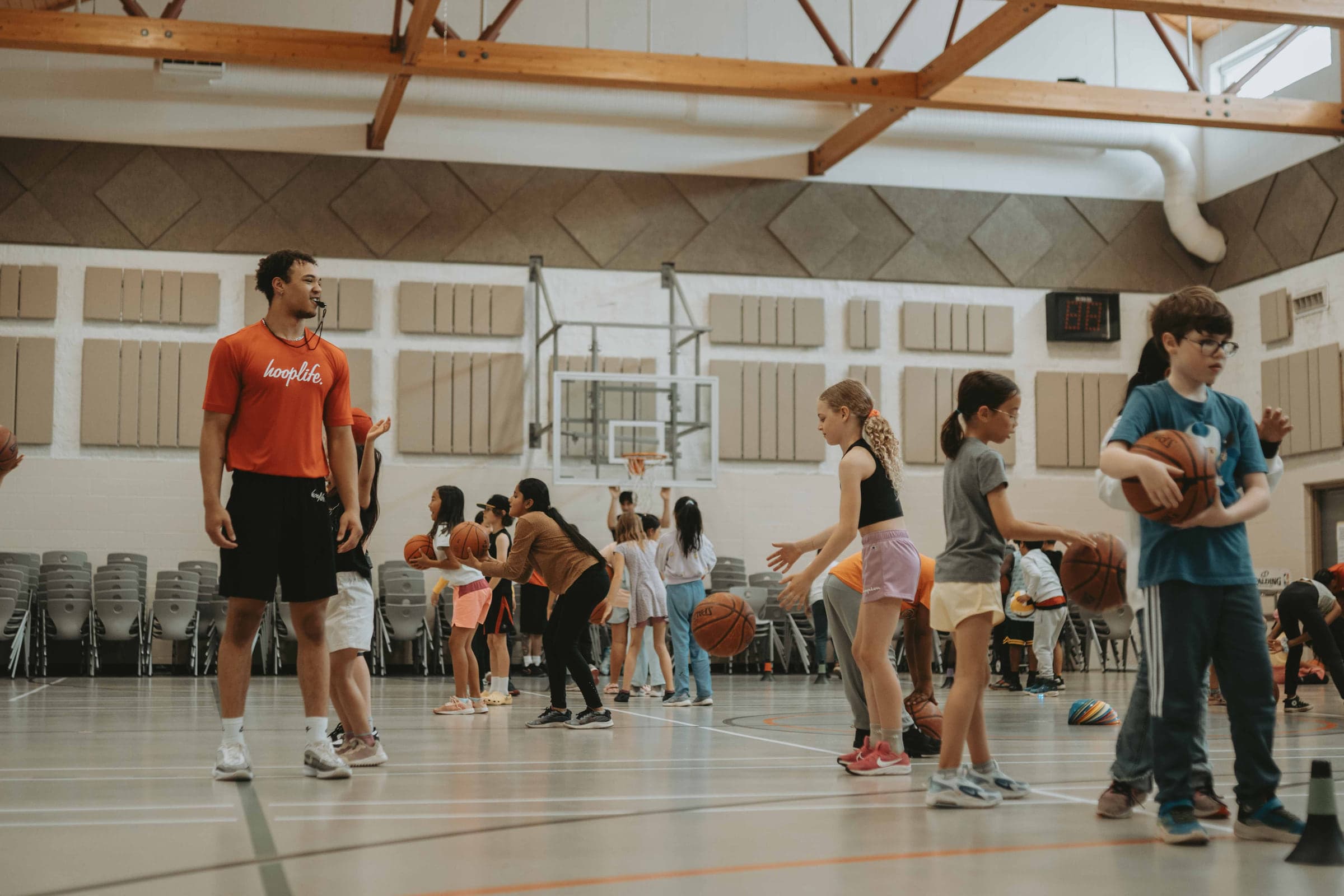
The main lever is coach count. A standard clinic brings a team of HoopLife coaches led by a senior coach who runs the two days and is the person your coordinator deals with on the ground. For a larger group, that means more coaches on the floor. For a tighter budget, a community can run the same two full days with fewer coaches, which lowers the per-child cost while keeping the structure intact: real skill work, games and scrimmages, fitness circuits, and the Confidence, Leadership and Basketball IQ sessions that run through both days. Scaling the coach count to reach more kids through existing gym time, rather than shrinking the program, is what turns a budget objection into something a finance committee can actually approve.
There is no hard cap on how many kids can take part. HoopLife scales the clinic to the community rather than asking the community to fit the clinic. What helps most is a rough headcount when you request an estimate, because that number tells us how many coaches to bring and how many booklets to print for the kids who attend.
What if the group is mixed ages and abilities?
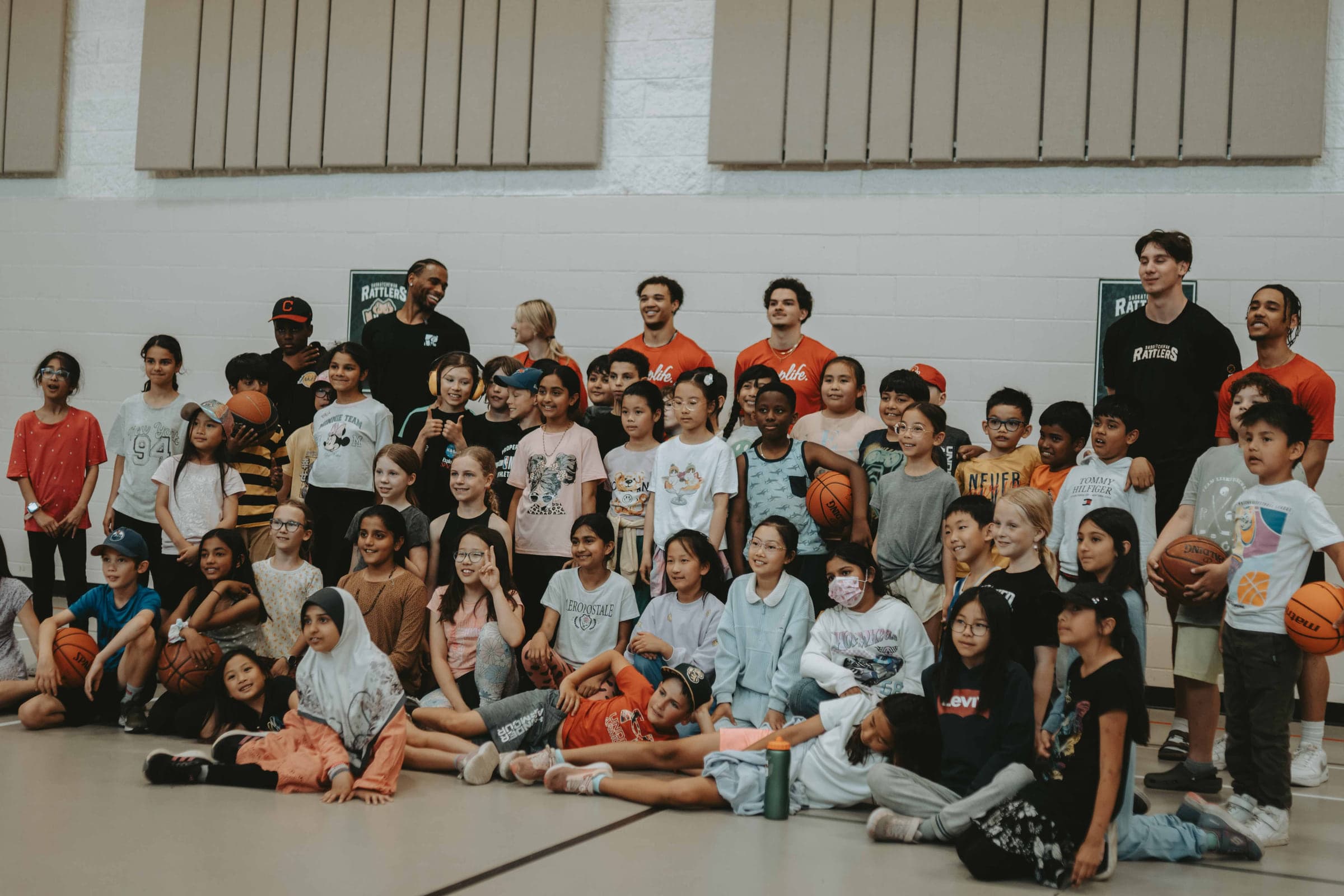
That is the normal case, not the exception. HoopLife takes who comes. In a lot of communities that means most of the school shows up across a wide age range, so coaches group kids by age and ability on the day and build the sessions around the group actually in the gym. A good share of the kids at any clinic have never had real coaching before, and those are often the ones the two days change the most. Nobody sits out waiting for a turn, and a beginner is not stuck behind a kid who has played for years.
Does keeping costs down mean keeping the program short?
No, and this is the distinction worth holding onto. The standard clinic is two full days, mixing skill work, scrimmaging, fitness circuits and the character development sessions, built from HoopLife's own written coaching library, the same system used for weekly training in Regina. Dropping the length of the clinic to save money is a different decision than dropping the coach count, and it changes what the kids actually get. A shorter visit can be built if that is genuinely what a community wants, but the two-day standard exists because it is long enough for kids to improve at something real and for coaches to learn their names instead of showing up as strangers for an afternoon.
What a community does need to provide is simple: a gym with working hoops, and one local point of contact for the two days. HoopLife brings the coaching team, the curriculum, and a printed booklet for every child. If a floor is short, or the hoops do not lower, or it is a community hall rather than a full gym, that gets built around too.
What does this actually change for the kids and the town?
Communities that have hosted a clinic consistently point to the same thing: it is not just a basketball lesson. The mental health and confidence piece, the structured skill work, the fact that coaches are patient with beginners, all of it lands even in groups with no basketball background. It also puts a gym full of kids who are moving, playing, and being coached by name for two straight days, which is a different kind of event for a small community than most programming that comes through.
Clinics are popular and the calendar fills, so a coordinator weighing options should reach out well before locking in a date on anything else. Getting on the calendar early gives HoopLife the most room to size the coaching team and the trip around your group properly, rather than scrambling late.
FAQs
Before you request an estimate, these are the questions coordinators ask most.
Where to start
If you are a First Nations community coordinator, request a clinic here. If you are booking for a town, city or school, the same scaling applies through Bring HoopLife to You, where you can tell us your rough headcount and budget and get a written, itemised estimate back.
Frequently asked questions
Can a HoopLife clinic be made cheaper for a small budget without cutting the program short?
Yes. The way HoopLife lowers the per-child cost is by adjusting how many coaches travel, not by shortening the two full days or dropping the skill work, scrimmages, fitness circuits and character development sessions. A community can run the same structure with a smaller coaching team sized to its group and budget.
Is there a limit on how many kids can take part in a clinic?
No, there is no hard cap. HoopLife scales the clinic to the community rather than asking the community to fit a fixed clinic size. A rough headcount when requesting an estimate lets HoopLife plan the right number of coaches and print enough booklets for every child.
What if our group has a wide age range and mixed experience levels?
That is the normal case for a HoopLife clinic. Coaches group kids by age and ability on the day itself, so beginners are not mixed in behind kids who already play, and nobody sits out. Most clinics include a good share of kids who have never had real coaching before.
Does a HoopLife clinic sell out, and how far ahead should a coordinator book?
Clinics are popular and the calendar does fill, so a coordinator should reach out and get on the calendar as soon as a date is being considered, rather than waiting until other plans are locked in. Requesting an estimate early gives HoopLife the most room to build the coaching team and trip around your community properly.
Thinking about your community?
Tell us who to reach out to and a real person from HoopLife will be in touch about bringing basketball to your young people.