Two Clinics, Two Towns, One Weekend: A Travel Coach's Life
What it actually looks like to coach back-to-back basketball clinics in different communities across Canada.

- Travel coaches often run multiple clinics in one trip, flying or driving between towns.
- A typical weekend is 12-24 hours of coaching split across two communities.
- HoopLife covers all flights, hotels, rental cars and meals during travel.
- Part-time coaches can choose single-clinic weekends, full-time coaches often stack two or three.
- Every clinic is 7-17 year olds grouped by age and ability, beginner through advanced.
A travel basketball coach at HoopLife might fly into one town Friday night, run a full-day clinic Saturday, drive three hours, and coach a second community Sunday morning. The weekend ends with a flight home Sunday night. Two clinics, two gyms, dozens of athletes, all expenses paid. That is the job.
Not every weekend is two clinics. Part-time coaches take one at a time. Full-time coaches sometimes stack three across a long weekend. But the two-clinic weekend is the rhythm most coaches settle into once they know the work.
Friday Night: Fly In, Set Up, Meet the Community
The weekend starts with a flight. HoopLife books it, covers it, and sends the itinerary. A coach lands Friday evening, picks up a rental car, and drives to the host community. Sometimes it is a small town with one hotel. Sometimes it is a First Nations community where the clinic organizer has arranged a spare room or a cabin.
Dinner is often with the organizer or a parent volunteer. That hour matters. The coach hears about the kids who will show up, what basketball looks like in the community, and what families hope the weekend will do. It is not a formal meeting. It is context.
Equipment arrives ahead or travels with the coach: cones, agility ladders, pinnies, a speaker, basketballs if the gym needs them. The coach confirms the Saturday schedule, checks the gym access, and gets to bed early. A 12-hour clinic day starts at 8:00 a.m.
Saturday: A Full Day in the First Gym
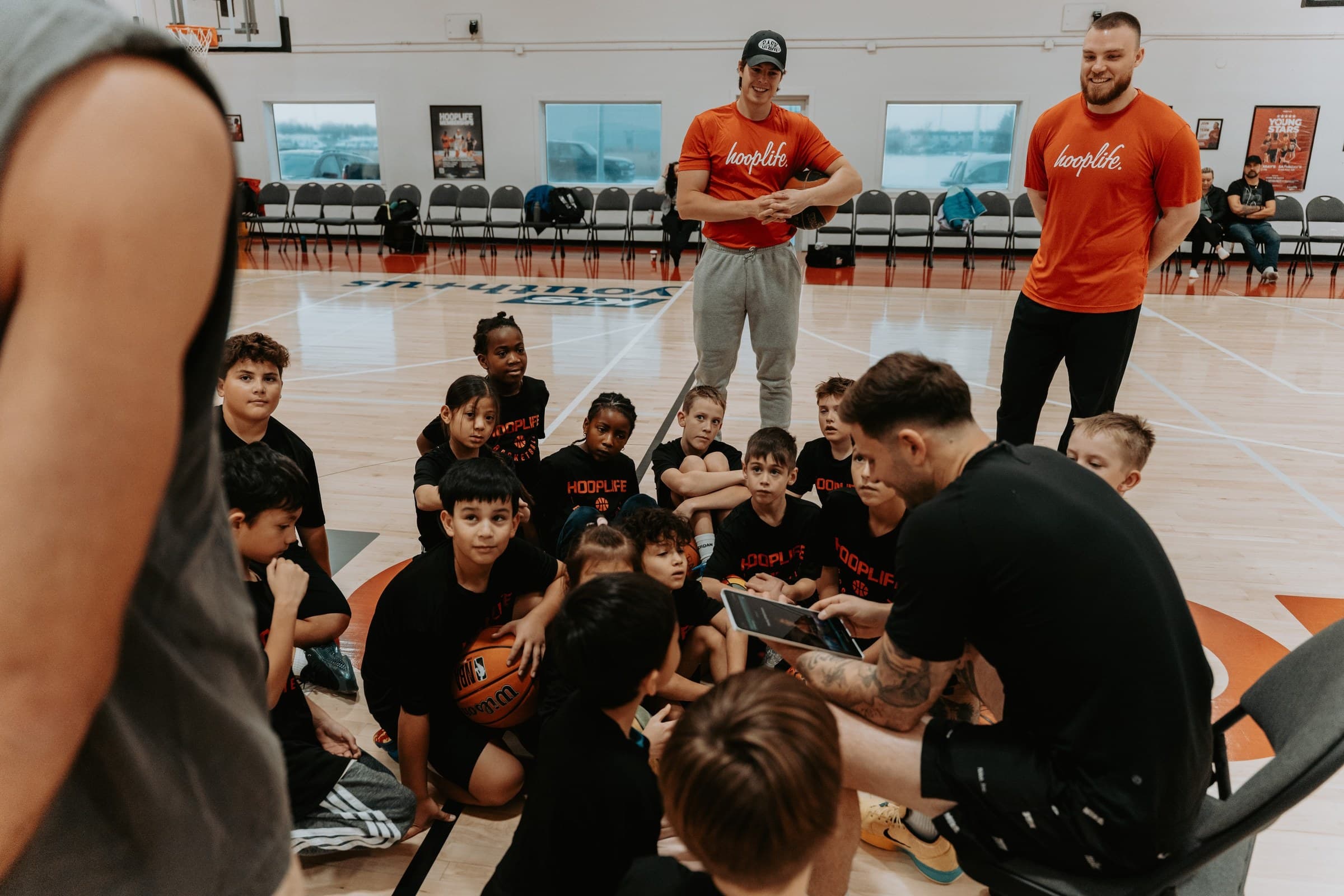
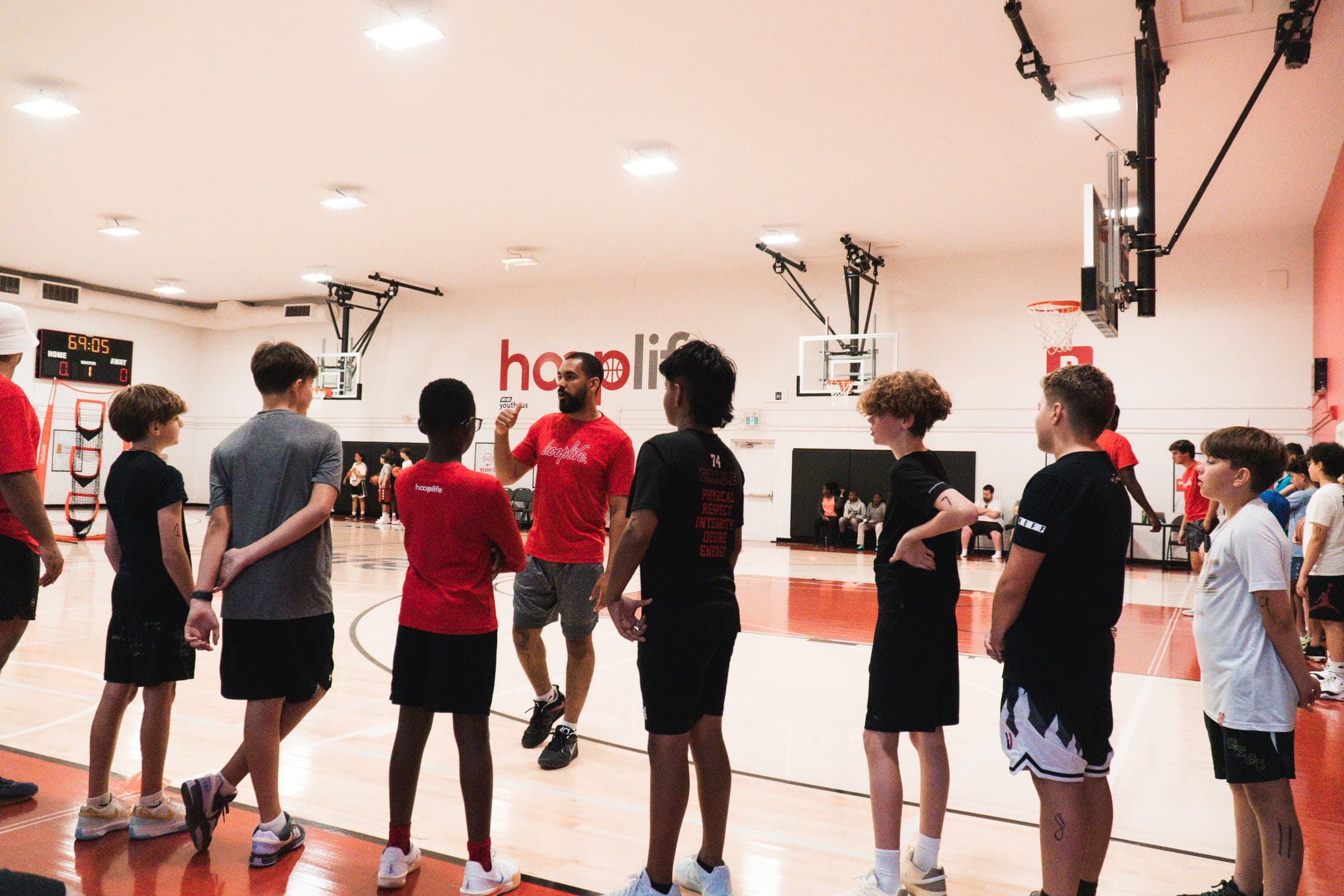
The first clinic runs all day. Athletes arrive in waves: younger groups in the morning, older and more advanced players in the afternoon. Every session is capped at 32 and grouped by age and ability. A coach might run four blocks of three hours each, or two longer sessions with a break for lunch.
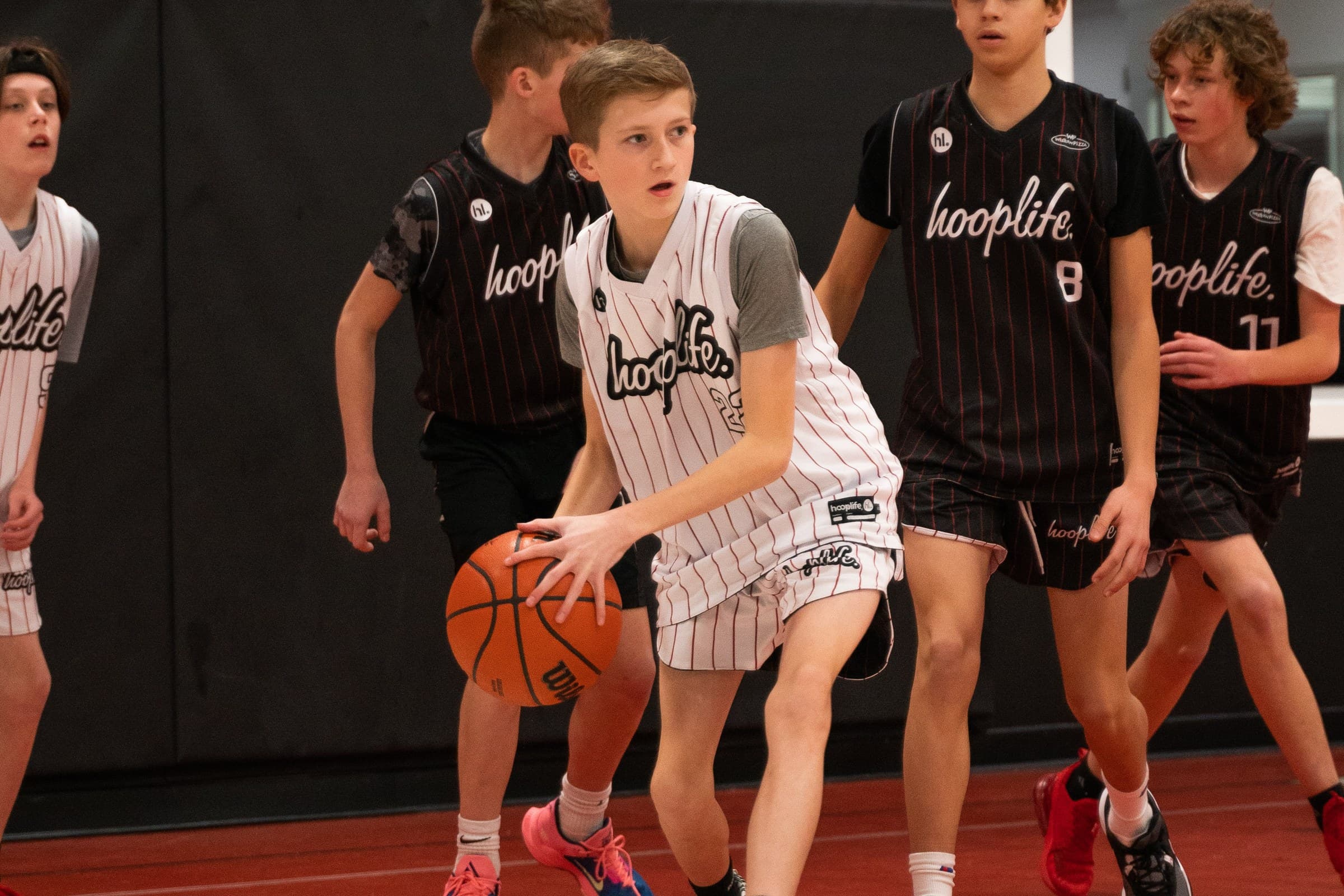
The work is dynamic. Beginner groups focus on dribbling with both hands, chest passes, and how to move without the ball. Advanced groups run pick-and-roll reads, help-side rotations, and live 3-on-3 with a shot clock. Every drill is team-focused. Every athlete stays active. The standard is 11 out of 10.
Parents watch from the bleachers or drop off and return for pickup. Either way, the coach greets every kid with a high-five at the door and catches a parent after to talk about what their child worked on. Those two-minute conversations build trust faster than anything else.
Between sessions, the coach tears down one setup and builds the next. Cones move. Pinnies get sorted. Water bottles multiply on the sideline. No task is too small, and no one else is doing it. A travel coach owns the space.
Saturday ends around 6:00 p.m. The coach loads the car, thanks the organizer, and drives. Three hours is common. Sometimes it is five. The second community is waiting.
Sunday Morning: A New Gym, A New Group
The second clinic is shorter. Sunday morning, often 9:00 to 1:00, one or two sessions depending on registration. The coach arrives early, unloads, sets up the same way, and runs the same high-energy standard in a completely different gym.
The athletes do not know it is the coach's second clinic of the weekend. The energy does not dip. The demonstrations stay crisp. A tired coach who phones it in does not last at HoopLife, and the communities that bring clinics back year after year notice effort before anything else.
Sunday wraps with teardown, a quick thank-you to the host, and a drive to the airport. The flight home lands Sunday night. The coach sleeps in their own bed and starts the week with whatever else their life holds: classes, another job, training, family.
Some coaches do this once a month. Others do it three weekends out of four. The role is as part-time or as full-time as a coach wants it to be, and HoopLife builds the travel calendar around availability.
What Makes It Work
HoopLife covers every cost. Flights, rental cars, hotels, gas, meals. A coach is paid $20 to $35 an hour for coaching time, and travel days count as work. There is no financial risk and no logistical scramble. The calendar, the bookings, and the community coordination all happen before a coach steps on a plane.
The coach's job is to show up ready, coach at a standard that changes what athletes believe they can do, and build relationships that make communities want HoopLife back. That is it. Everything else is handled.
Most travel coaches are current or former high-level players. Many are university athletes coaching around a class schedule. Some are recent grads who want to see the country while staying in the game. A few are mid-career coaches who left a desk job to do the thing they loved before life got in the way.
What they share: they are obsessed with basketball, they have zero ego about setting up cones or sweeping a gym, and they see coaching as the way to spark confidence and success in young athletes. The job does not work without that belief.
Why Communities Bring HoopLife Back
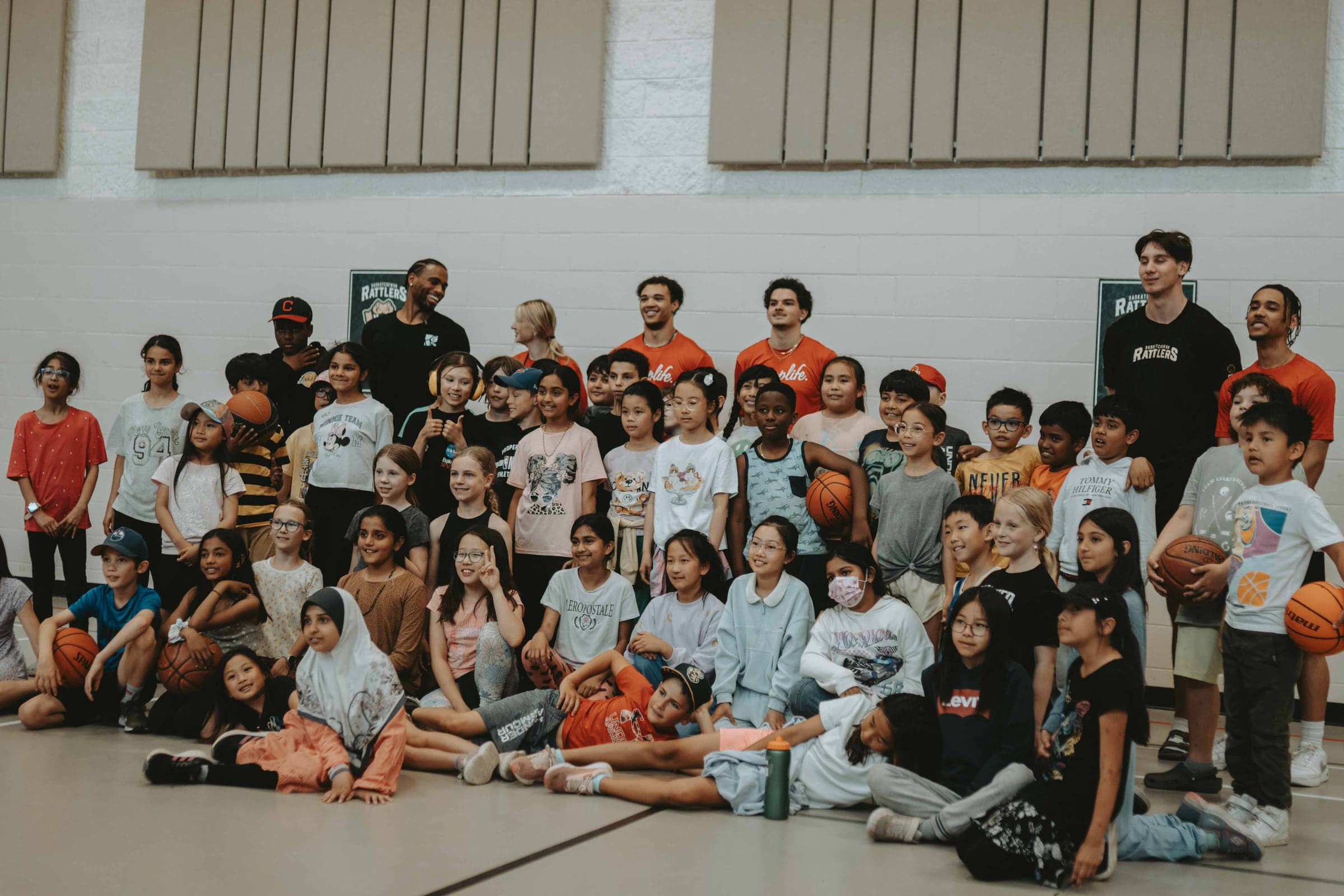
The two-clinic weekend is not just efficient for the coach. It is proof that HoopLife can reach communities across Canada without requiring a permanent facility in every town. A coach flying into rural Alberta one weekend and northern Ontario the next means a kid in a small town gets the same training standard as a kid in Regina.
Communities that bring clinics back year after year do it because the weekend delivered. The coach was on time, encouraging, and clear. The drills worked. The athletes left different than they arrived. Parents saw it, and the organizer heard about it for weeks.
That is what a HoopLife clinic is built to do, and the travel coach is the one who makes it happen on the ground.
How to Know If This Role Fits You
If you want a job where you clock in at the same gym every week, this is not it. If you want to stay home most weekends, coach a house league on Tuesday nights, and keep basketball as a side thing, this is not it either.
If you want to get paid to see the country, live inside the game, and coach athletes in communities that do not get many chances like this, the travel role is built for you. If you can run a high-energy clinic on Sunday morning after a long Saturday and a highway drive, you will thrive.
The role is open to American and Canadian citizens. Part-time is one or two clinics a month, and you choose which trips you take. Busier is most weekends, sometimes back-to-back trips with a day in between. You choose the pace, and HoopLife builds the calendar.
You need to be in active athlete shape, able to demonstrate every drill and keep up with teenagers for six straight hours. You need coaching or high-level playing experience, a deep understanding of the game, and the humility to own every mistake and fix it fast. You need to communicate directly, encourage constantly, and care more about the athlete's progress than your own highlight reel.
If that sounds like you, the application is here. HoopLife wants a resume and a video cover letter that shows how you would run a clinic. No half-measures. If you are ready to travel, coach, and change lives, apply now.
For more on what coaching at HoopLife actually involves, read what the work is or explore all open roles.
Frequently asked questions
How many clinics does a travel basketball coach at HoopLife run in one weekend?
A travel basketball coach at HoopLife often runs two clinics in one weekend, coaching a full day Saturday in one community and a shorter session Sunday morning in another town. Part-time coaches can choose single-clinic weekends, while full-time coaches sometimes stack three clinics across a long weekend. HoopLife covers all flights, rental cars, hotels and meals during travel, and coaches are paid $20 to $35 per hour for coaching time plus travel days.
What does a typical Saturday clinic day look like for a HoopLife travel coach?
A Saturday clinic day for a HoopLife travel coach runs about 12 hours, starting at 8:00 a.m. and ending around 6:00 p.m. The coach runs multiple sessions grouped by age and ability, each capped at 32 athletes ages 7 to 17. Beginner groups work on fundamentals like dribbling and passing, while advanced groups run pick-and-roll reads and live 3-on-3. Between sessions, the coach sets up and tears down equipment, greets every athlete with a high-five, and talks to parents about what their child worked on that day.
Does HoopLife pay for travel costs for basketball coaching jobs across Canada?
Yes, HoopLife covers all travel costs for basketball coaches working clinics across Canada and the United States. The company books and pays for flights, rental cars, hotels, gas and meals. Coaches are also paid $20 to $35 per hour for coaching time, and travel days count as work hours. There is no financial risk or logistical planning required from the coach.
Can I coach HoopLife basketball clinics part-time while in university?
Yes, many HoopLife travel basketball coaches are university athletes who coach clinics part-time around their class schedule. Part-time is typically one or two clinic weekends per month, and you choose which trips you take. HoopLife builds the travel calendar around a coach's availability, so you can choose how often you travel and coach. Coaches who want to travel most weekends can take a great deal more than that.