What Age Group and Session Is Right for My Child at HoopLife
How to pick the right program when your child is between ages, skill levels, or grade divisions.

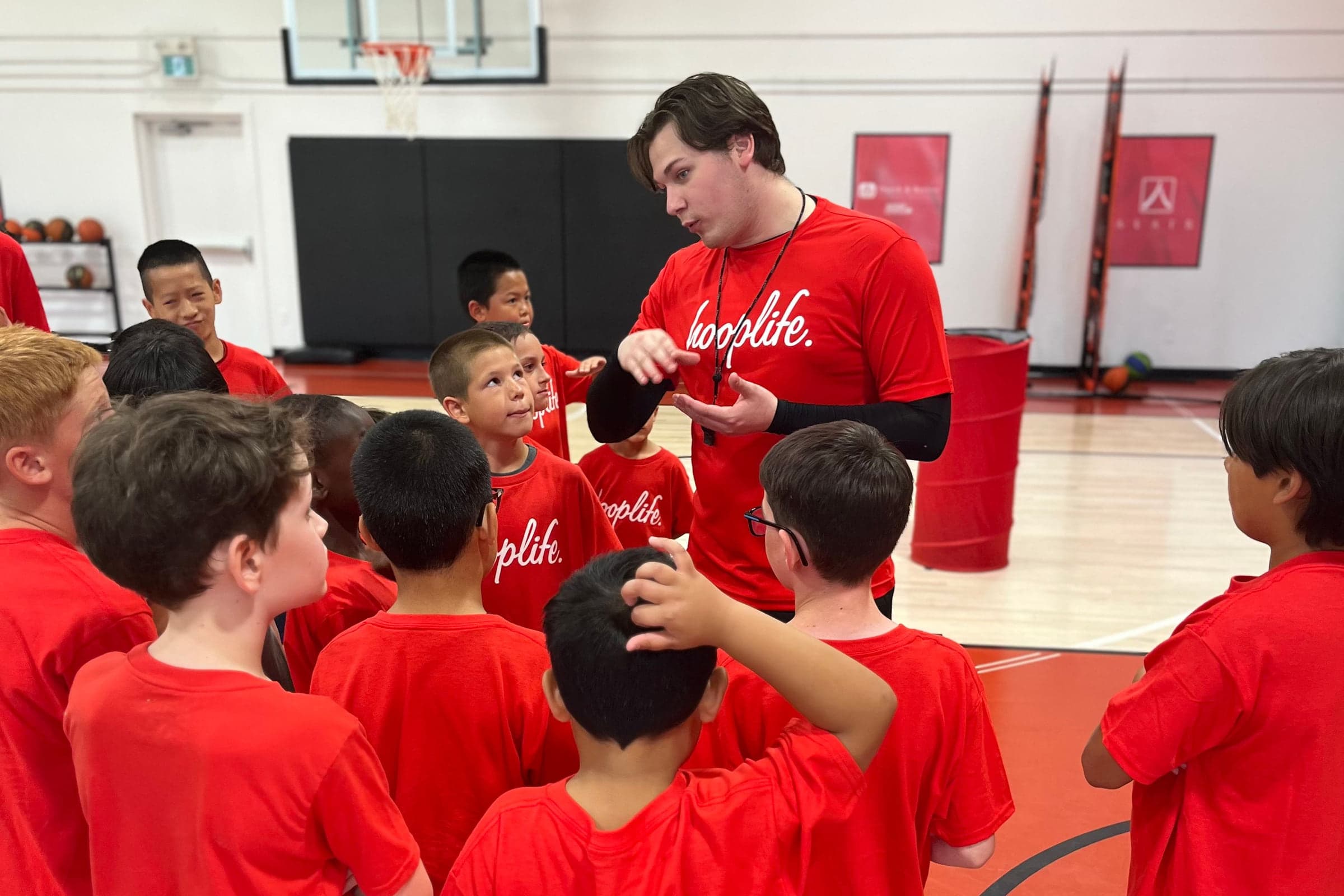
- Young Stars uses birth age, not grade. A six-year-old in grade one goes into the 5-6 group.
- HoopLife League and weekly sessions group by school grade, not birth year.
- Players are grouped by age and ability within each session, so an advanced beginner and a first-timer will not train together.
- The $10 Get Started package includes a planning meeting with a HoopLife Director who can place your child in the right group.
- If your child is between levels or you are unsure, the Director will watch them in their first session and recommend the best fit.
Parents ask this question more than any other: which session is right for my child? The answer depends on what program you are looking at, because HoopLife groups kids differently depending on the format.
Here is how to figure it out.
Young Stars Uses Birth Age, Not Grade
Young Stars is for kids ages 3 to 6. The program splits into two groups: ages 3-4 and ages 5-6.
If your child turns six in December and is in grade one, they go into the 5-6 group. Young Stars groups by birth age, not school grade.
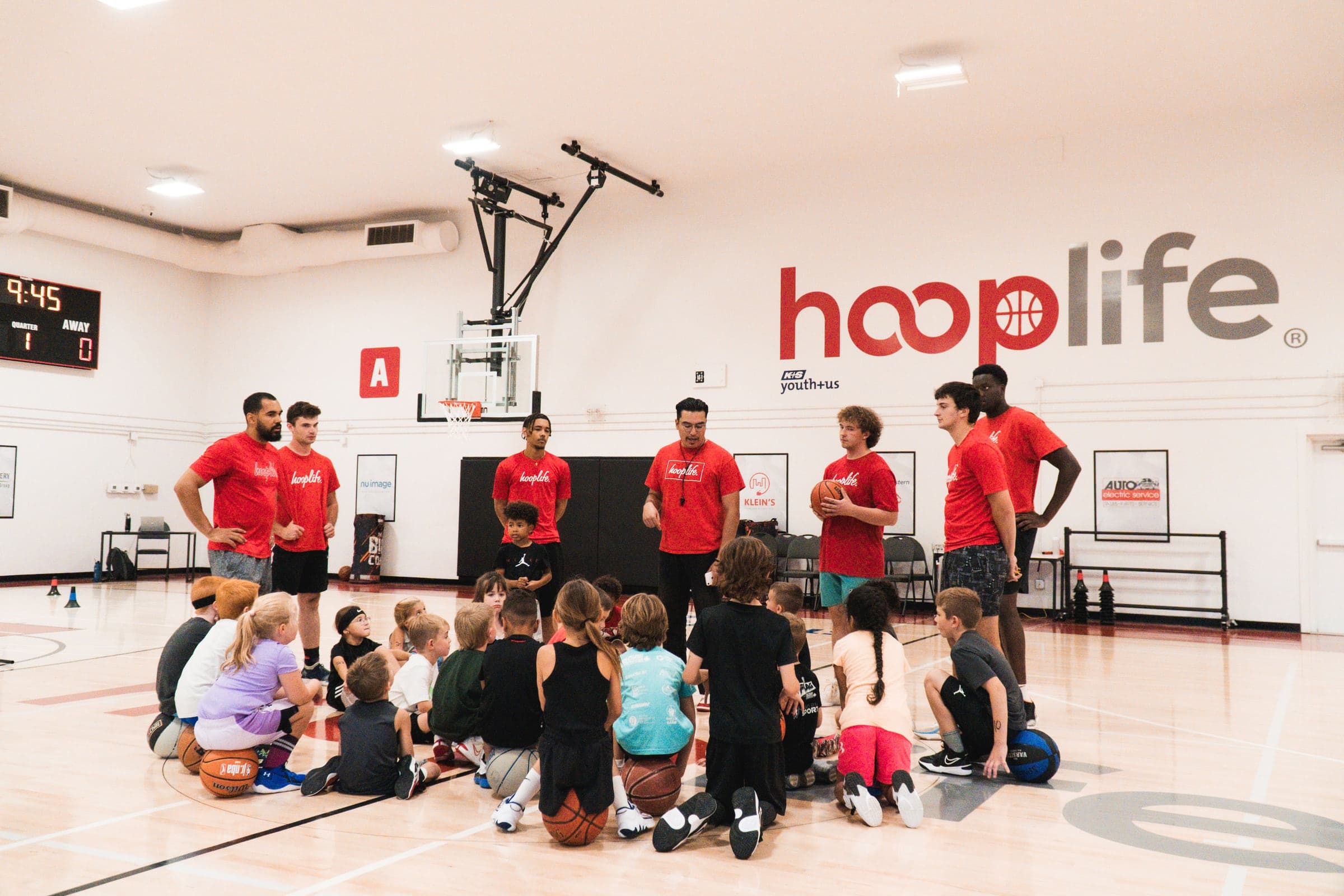
Parents sometimes worry their child will be the oldest or youngest in the group. The range is only two years, and the curriculum is built for that span. A three-year-old who just turned three and a four-year-old about to turn five are working on the same foundational skills: how to dribble with control, how to pass and catch, how to move with the ball.
The 5-6 group works on slightly more complex patterns, but the structure is the same. Both groups play games, both groups learn through movement, and both groups finish each session having touched the ball dozens of times.
HoopLife League and Weekly Sessions Group by School Grade
Once your child is in grade one, everything at HoopLife groups by school grade. The HoopLife League runs divisions for boys grades 1-12 and girls grades 1-8. Weekly skills sessions run ages 7-17, which means grade two and up in most cases.
If your child is in grade three, they play in the grade 3/4 division. If they are in grade five, they move to the grade 5/6 division. The split happens at the odd grade because HoopLife runs two-year bands, and that keeps team sizes manageable and skill ranges tight.
Parents sometimes ask whether a strong grade three player can move up to grade 5/6, or whether a grade five player who has never played before should stay in grade 3/4. The answer is almost always no. The league groups by grade because physical size, strength and coordination matter. A grade three player competing against grade six players is not getting better faster. They are getting run over.
HoopLife League has no tryout, and every player plays. The way the program handles skill differences is by grouping players within the division by age and ability. A beginner in grade five plays with and against other beginners in grade five. An advanced player in grade five plays with and against other advanced players in grade five.
Weekly Skills Sessions Split by Ability Within Age Groups
Weekly skills sessions for ages 7-17 are capped at eight players per level. That means the session you register for might say ages 7-10, but within that group there will be a beginner session and an advanced session running at the same time.
If your nine-year-old has played for two years and is comfortable dribbling with both hands, they go into the advanced group. If your nine-year-old has never played before, they go into the beginner group. Both kids are nine, but they are working on different skills at different speeds.
This is why the $10 Get Started package exists. It's popular and does sell out fast. You meet with a HoopLife Director, talk through where your child is starting from, and then your child comes to their first coached session. The Director watches, places them in the right group, and recommends a path forward.
Parents worry about getting the level wrong. The system is built to fix that. If your child is in a session that is too easy or too hard, the coaching staff will tell you and move them. It happens all the time, and it is not a failure. Kids grow at different rates, and programs that work adjust as they do.
What to Do if Your Child Is Between Ages or Levels
Some kids are right on the edge. A child who turns seven in November might still be in grade one. A child in grade four who played rec ball for one season is not a beginner, but not advanced either.
Here is what to do. Start with the $10 Get Started package. Tell the Director what you know: your child's age, their grade, whether they have played before, whether they are confident or hesitant, whether they want to compete or just learn.
The Director will recommend a starting point. Your child comes to that first session. The coach watches them move, handles the ball, responds to instruction. After the session, the Director will tell you whether the fit is right or whether another group makes more sense.
If the fit is wrong, HoopLife moves them. If the fit is right, you register for the term and keep going. The meeting and the first session cost ten dollars total, and they answer the question you are trying to solve: where does my child actually belong?
What Parents Get Wrong About Age and Skill
Parents sometimes assume their child is more advanced than they are, or less advanced than they are. Both mistakes come from the same place: you have not seen your child compared to other kids their age who are training consistently.
A child who plays basketball at recess every day might be further ahead than a child who played on a rec team for one season. A child who is tall and fast might still be learning how to dribble under control. A child who is small and quiet might have better footwork than anyone else in the gym.
You will not know until someone who coaches hundreds of kids every year watches your child and tells you. That is what the Get Started package does, and that is why parents use it even when they think they already know the answer.
The One Question That Matters
If you are trying to figure out what age group or session is right for your child, the question is not whether they are good enough or ready enough. The question is whether the group they are joining will let them improve.
A beginner in an advanced group does not improve. They stand in the corner and hope nobody passes them the ball. An advanced player in a beginner group does not improve either. They dominate every drill and learn nothing.
The right group is the one where your child has to work, where they succeed sometimes and fail sometimes, where the coach can teach them something they did not know yesterday. HoopLife groups by age and ability because that is how you build that environment, and when the fit is wrong, the staff moves kids. That is the system - and it fills fast, so grab a spot in the $10 Get Started package while you can.
Frequently asked questions
Does my six-year-old in grade one go into Young Stars or the grade 1/2 league?
Young Stars is for ages 3-6, and it groups by birth age, not school grade. If your child is six, they go into the Young Stars 5-6 group. Once they turn seven, they move into the grade 1/2 division of the HoopLife League, which groups by school grade. Most first-graders are still six for part of the year, so Young Stars is the right fit until their seventh birthday.
Can my child move up a grade division if they are really advanced?
HoopLife groups by school grade in the league, and players stay in their grade division. The reason is physical: a grade three player competing against grade six players is not just facing better skills, they are facing bigger, faster, stronger athletes. The way HoopLife handles skill differences is by grouping players within each grade division by ability, so an advanced grade three player trains and plays with other advanced grade three players. That keeps the challenge appropriate without putting a child at a size or strength disadvantage.
What happens if I register my child for a session and the level is wrong?
HoopLife coaching staff will tell you if the fit is wrong, and they will move your child to a different group. It happens regularly, and it is part of how the program works. Kids grow at different rates, and a session that was the right fit in the fall might be too easy by the spring. If you are unsure where to start, the $10 Get Started package includes a planning meeting with a HoopLife Director and a first coached session. The Director will watch your child, place them in the right group, and recommend next steps.
How does HoopLife decide if my child is a beginner or advanced?
A HoopLife coach watches your child in their first session and assesses where they are. Beginner players are learning foundational skills like dribbling with control, passing accurately, and moving without the ball. Advanced players have those foundations and are working on more complex patterns like reading a defence, finishing with both hands, or running a play. The assessment is not about whether your child is good or bad. It is about what they need to learn next, and which group will let them learn it.
Want the details for your kid?
Leave your info and a real person from HoopLife will send the details and answer your questions. Spots are limited and they do go.