What Size Basketball Your Kid Actually Needs
The wrong ball is the most common equipment mistake in youth basketball, and it actively teaches bad habits. The right one costs the same.

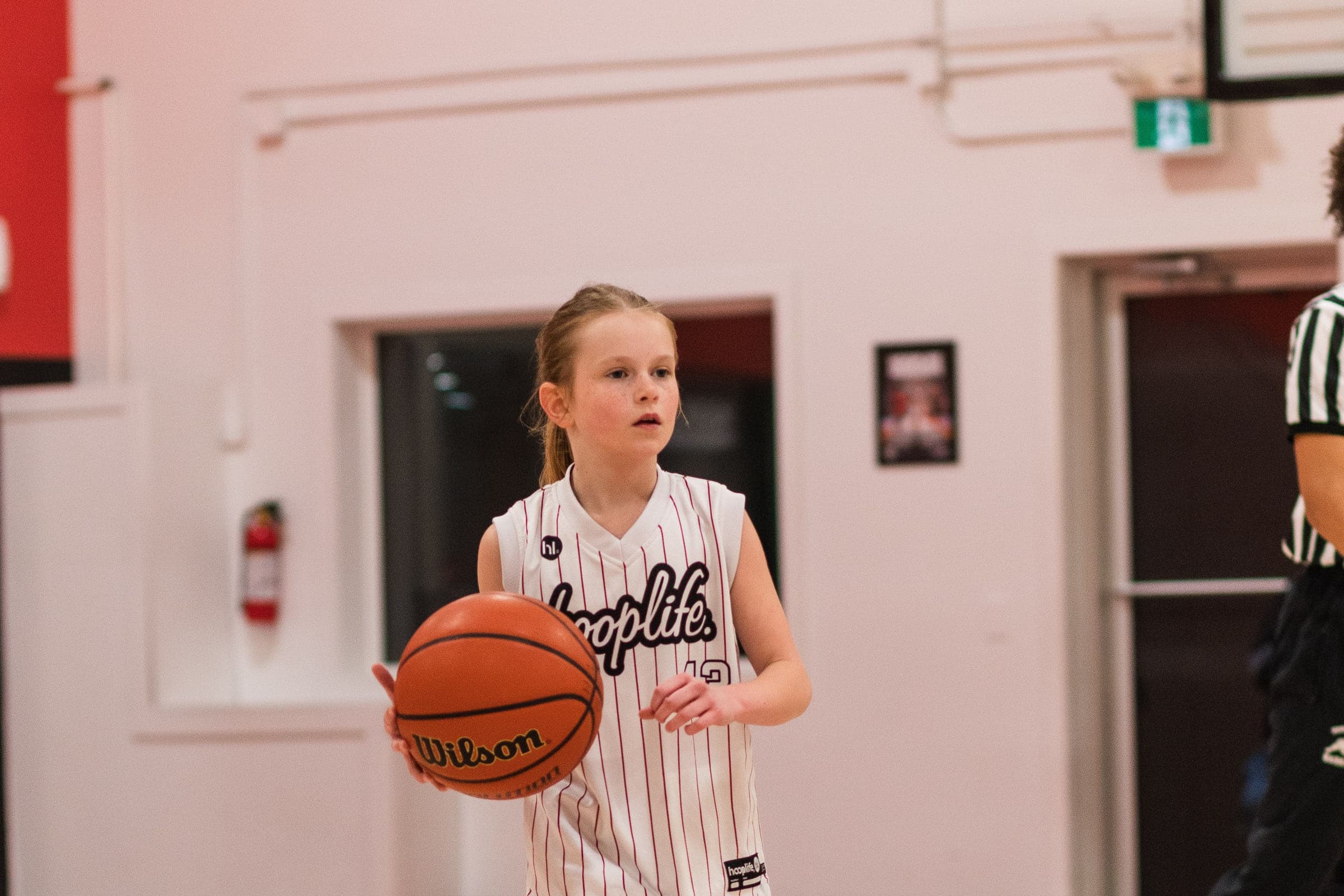
- Size 4 for ages 5-8, size 5 for 9-11, size 6 for 12-13 (and all women's ball), size 7 for boys 14 up.
- A too-big ball forces a shot-put heave that becomes a permanent shooting flaw.
- When in doubt, size down. Nobody develops bad habits from a slightly small ball.
- Girls and women use size 6 from age 12 onward, including college and pro.
Walk into any gym and you will see it: an eight-year-old heaving a full-size ball at a ten-foot rim with both hands, from the shoulder, using their whole body. That child is not learning to shoot. They are learning a heave, practising it hundreds of times, and will spend years unlearning it.
The ball is the cheapest piece of equipment in the sport to get right.
The sizes, plainly
- Size 4 (25.5"): roughly ages 5 to 8.
- Size 5 (27.5"): roughly ages 9 to 11. The standard youth ball.
- Size 6 (28.5"): ages 12 to 13 for boys — and this is the women's ball, used by girls and women from age 12 through college and the pros.
- Size 7 (29.5"): boys from about 14, and the men's ball from there on.
Ages are a guide, hands are the truth. If your kid cannot comfortably shoot with one hand guiding the ball, it is too big for them right now, whatever the box says.
Why the wrong ball does real damage
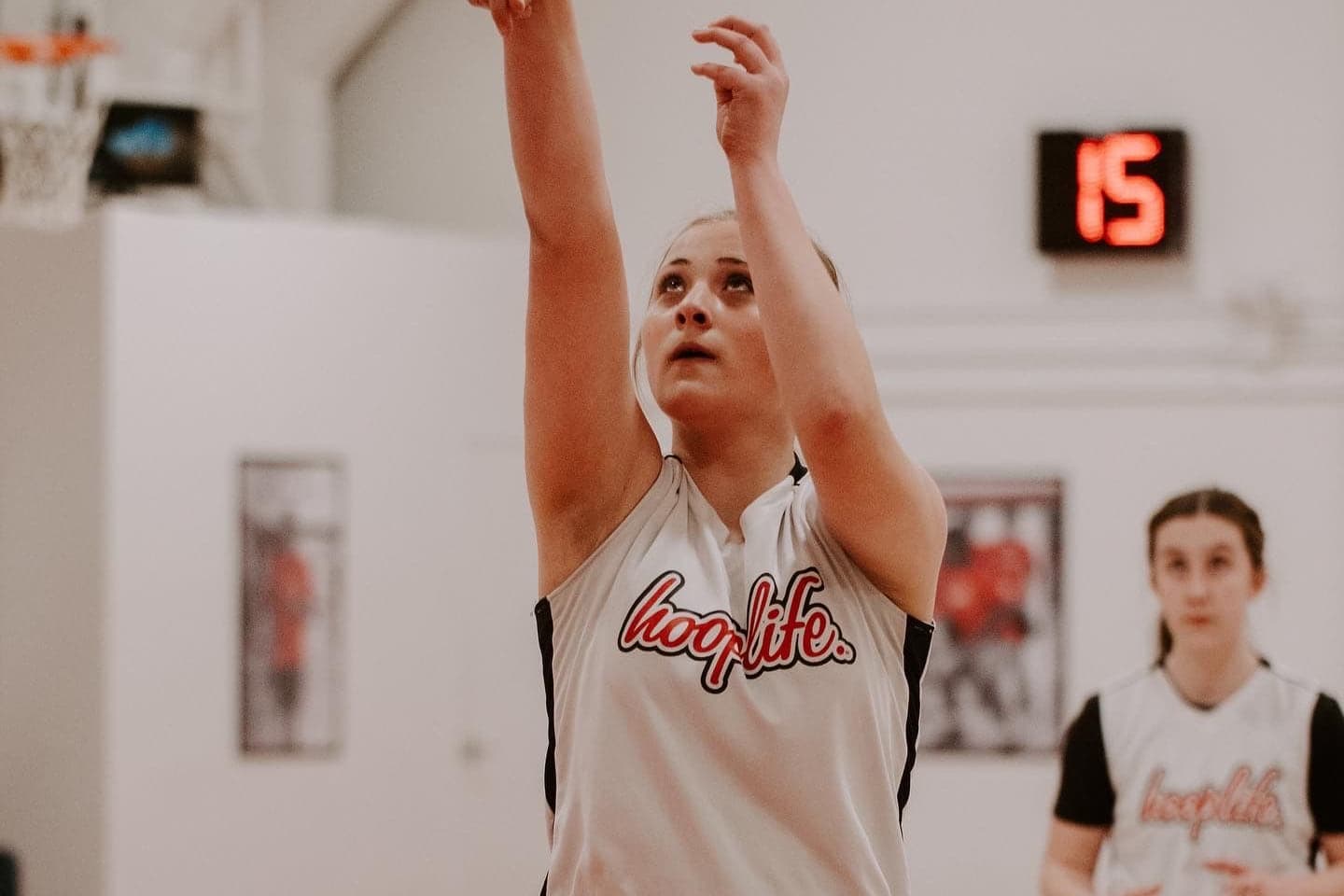
Shooting form is built on the ball sitting in one hand with the other as a guide, elbow under, wrist snapping through. A ball too big or heavy for the player makes that physically impossible, so the body improvises: two hands, from the chest or the shoulder, legs lunging. Repeat that a thousand driveway reps and it is not improvisation any more, it is their shot.
Coaches can spot a kid who grew up on the wrong ball within three attempts, and the rebuild takes months. The prevention costs nothing, which is what makes this the highest-value equipment decision in the sport.
The two common mistakes
Buying the ball they will grow into. Kids do not grow into a basketball the way they grow into a jacket; they build habits on it today. Buy the ball for the hands they have.
Moving up too early because of league rules elsewhere or an older sibling's ball lying around. When in doubt, stay down a size longer. No player was ever harmed by an extra six months on a smaller ball, and plenty have been harmed by the opposite.
A note for girls
Size 6 is not a step on the way to something: it is the ball, permanently, from age 12 through university and professional basketball. A girl moving to size 6 at twelve is on her final ball, which is worth telling her, because it reframes the change as an arrival rather than a phase.
What else actually matters
Indoor versus outdoor is the only other decision with consequences: outdoor rubber balls survive concrete, indoor composite balls grip better on hardwood, and using an outdoor ball inside is fine while the reverse shreds an indoor ball in a month. Brand matters far less than parents think at youth level.
Then label it. Every gym in the country has a graveyard of identical unlabelled basketballs, including ours.
Putting the right ball to work
A correctly sized ball plus twenty minutes in the driveway is the whole home setup. From there, shooting form built the right way is here, and in weekly sessions the coaches check exactly this kind of thing in the first ten minutes with a new player, which is one reason the $10 Get Started session is worth it before habits set.
Frequently asked questions
What size basketball should a 10 year old use?
Size 5 (27.5 inches), the standard youth ball for roughly ages 9 to 11. If they cannot shoot it comfortably with one hand guiding, drop to a size 4.
What size basketball do girls use?
Size 6 (28.5 inches) from age 12 onward, permanently: it is the official women's ball through high school, college and professional basketball. Before 12, the same size-4 and size-5 progression as boys.
What happens if a kid uses a ball that is too big?
They physically cannot shoot with correct one-handed form, so they build a two-handed heave instead, and repeated reps make it permanent. It is the most common self-taught flaw coaches have to fix.
When should a boy move to a full-size basketball?
Around age 14, to the size 7. Moving up late does no harm; moving up early builds the heave. When in doubt, stay down a size longer.
Want the details for your kid?
Leave your info and a real person from HoopLife will send the details and answer your questions. Spots are limited and they do go.