Basketball Classes for Kids Near Me: What to Look For
Comparing basketball classes for kids near you? See what separates good programs from the rest before you sign up.

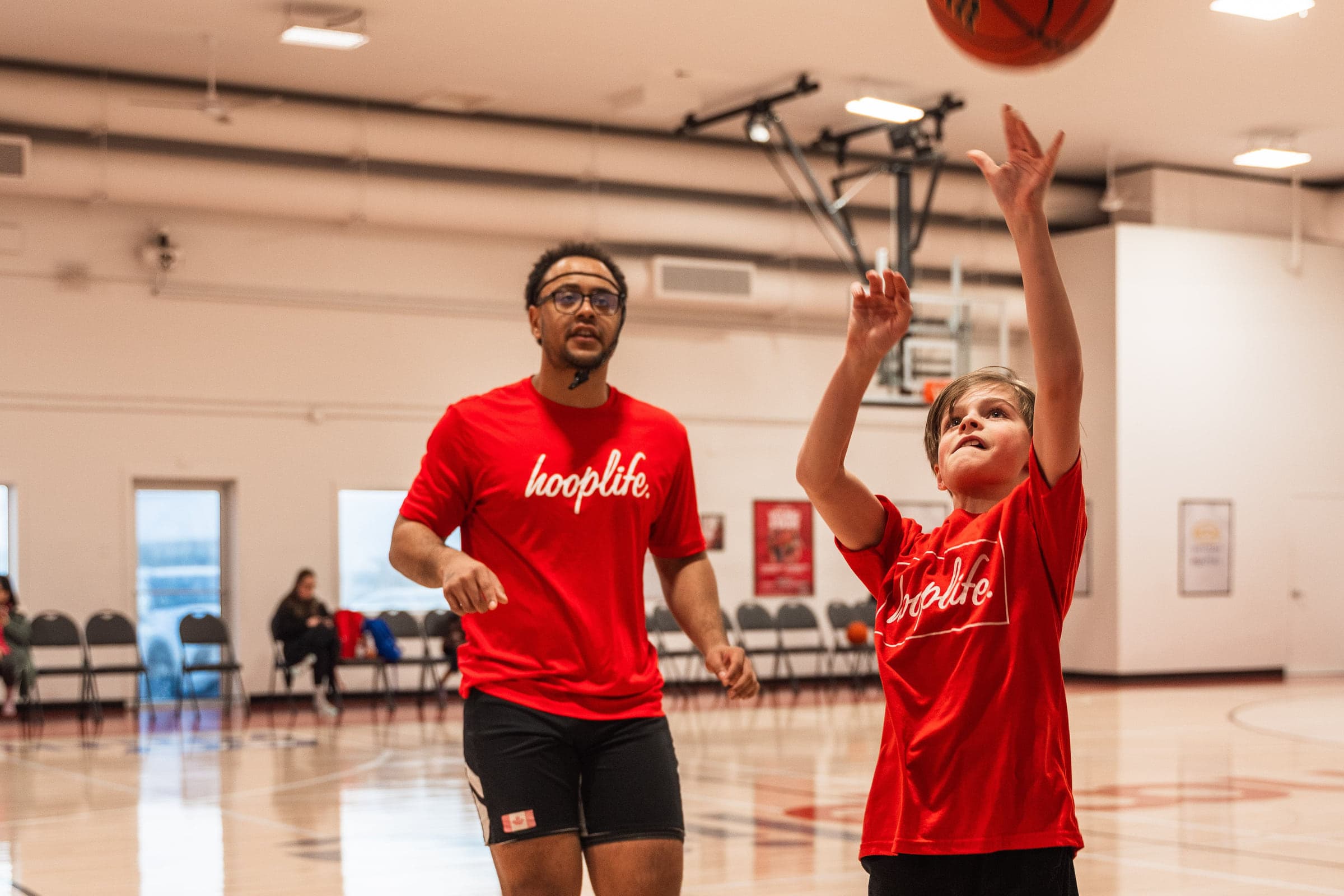
- Basketball classes range from large group recreation to capped skills training with real progression.
- Ask about group size, how players are grouped, and whether the program has a curriculum or just runs drills.
- Weekly skills sessions at HoopLife are capped at 8 players per level and split by age and ability.
- The $10 Get Started package includes a planning meeting and a first coached session.
- Young Stars serves ages 3-6 across four 10-week terms, with age-specific pricing and structure.
Basketball classes in Regina come in different forms. Some are drop-in recreation with 20 kids and a ball cart. Others are structured skills training with small groups and a multi-week curriculum. The term basketball class can describe both, and a parent searching online has no way to know which one they are looking at until they ask specific questions.
This guide covers what to ask, what the answers mean, and how to match a program to what your child actually needs right now.
What Basketball Class Actually Means
A basketball class is any recurring program where kids show up, play basketball, and go home. Beyond that, the structure varies.
Some programs are recreation focused. Kids rotate through stations, play games, and the goal is movement and fun. Group sizes can be large because the activity is self-directed or relies on peer play rather than individual feedback.
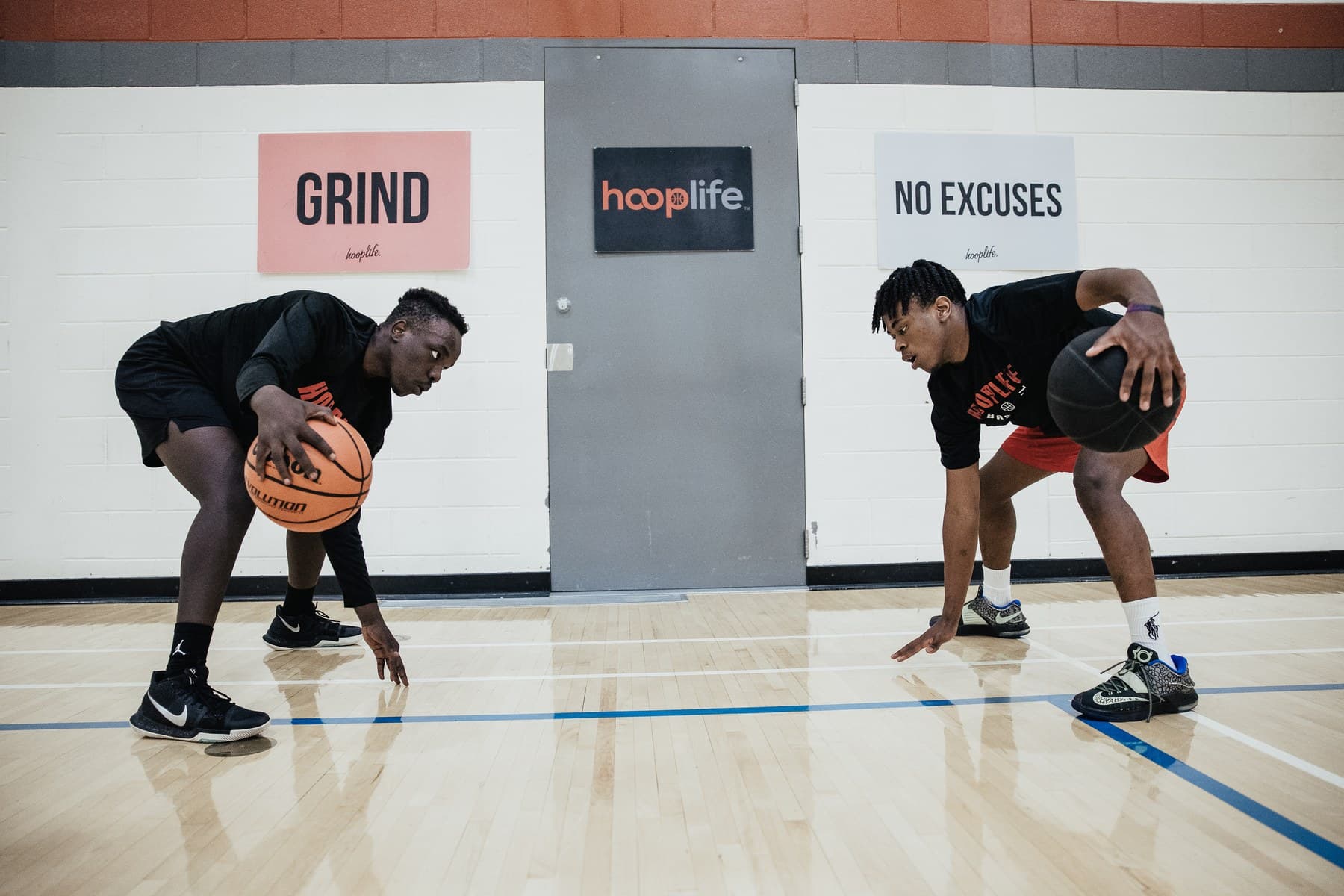
Other programs are skills training. A coach works with a small group on specific techniques, corrects form, and builds a progression week to week. The group size is capped because the coach needs to see every player and give real feedback during the session.
Both are valid. Neither is better in the abstract. The question is what your child needs. A beginner who has never touched a basketball may need structure and small-group attention. A confident player may want competition and space to experiment. A three-year-old needs play-based movement with zero pressure. A 14-year-old training for high school tryouts needs something else entirely.
Questions That Reveal What You Are Actually Buying
Here are the questions that separate one basketball class from another, and what the answers tell you.
How many kids are in a session? Group size determines how much individual feedback your child will receive. A class with 20 kids is recreation or games. A class with 8 is skills training. A class with 3 is semi-private or small-group work. None of those is wrong, but they are not interchangeable.
How are players grouped? Age alone is not enough. A class that mixes a child who has never played with a travel player creates a problem for both. Ask whether players are grouped by age and ability, and whether the program moves kids between levels as they improve.
Is there a curriculum? A curriculum means the program has a plan for what gets taught each week and how skills build on each other. Without one, you may get a different coach running a different set of drills with no connection to the week before. Consistency matters, especially for younger or beginner players.
What does my child do for 60 minutes? Ask for a breakdown. How much time is instruction? How much is live play? Is there a warmup, a cool-down, a water break? The structure of the hour tells you whether the program has thought through how kids learn or whether it is filling time.
Can I watch a session before registering? A program that lets you observe or offers a trial session is confident in what it delivers. A program that does not may have a reason.
What HoopLife Offers
HoopLife runs basketball classes at 661 Solomon Cres in Regina, grouped by age and ability across multiple formats.
Young Stars serves ages 3-6 across four 10-week terms each year. The 3-4 age group focuses on coordination, movement and fun in a play-based structure. The 5-6 age group introduces basketball fundamentals with slightly more structure.
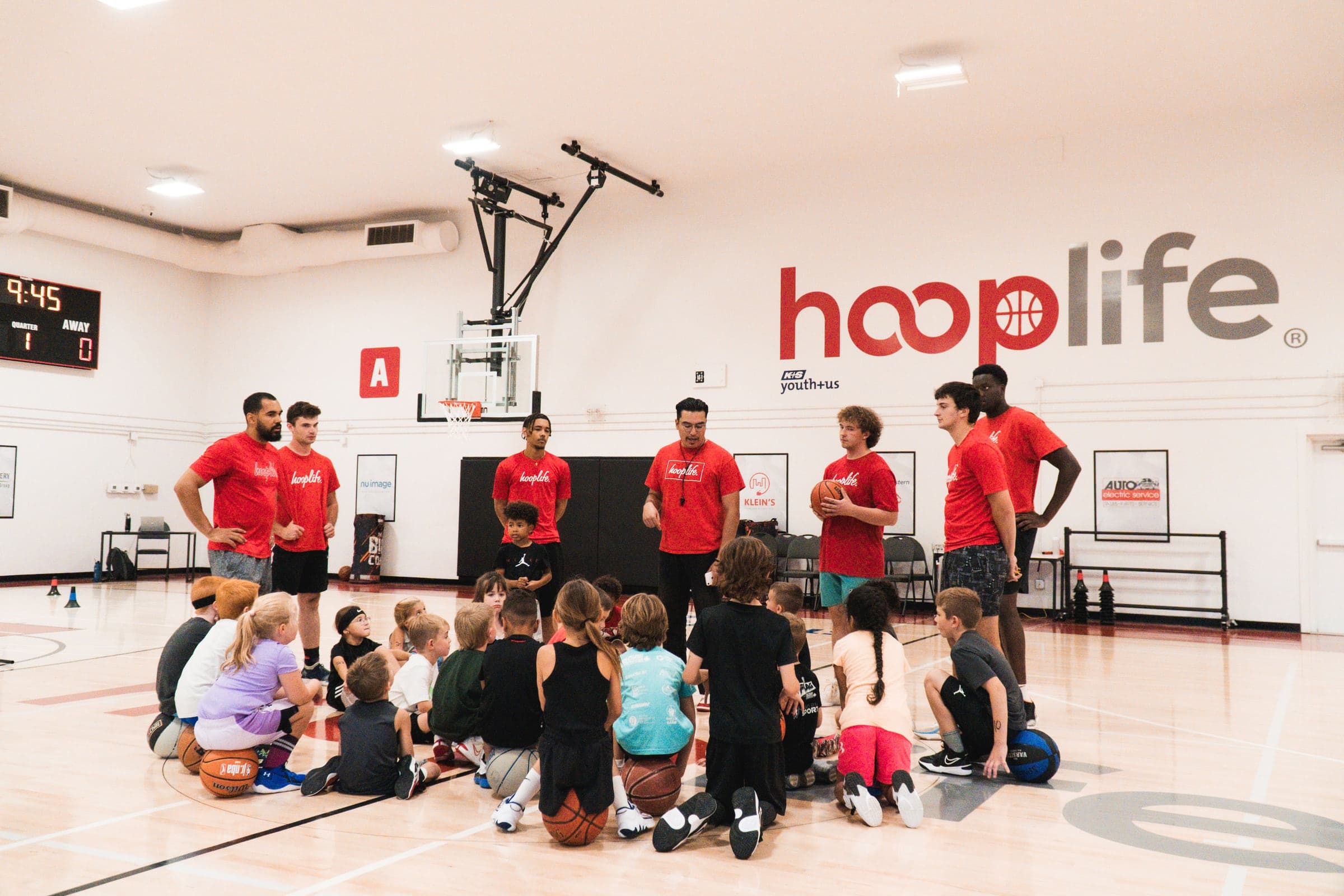
Weekly skills sessions serve ages 7-17, capped at 8 players per level. Players are grouped by age and ability, with beginner and advanced splits. Each session follows a curriculum that builds week to week, and coaches give individual feedback throughout the one-hour block.
Girls Only sessions serve ages 7-14, capped at 16 players and coached by women. The structure is the same, the environment is different, and it does fill quickly.
The $10 Get Started package includes a planning meeting with a HoopLife Director and a first coached session. It is designed for families who want to see the facility, meet a coach, and figure out which program fits before committing to a term.
How to Decide Between a League and a Class
Some families search for basketball classes when what they actually want is a league. The two serve different purposes.
A class is skills training. The goal is to improve technique, build confidence, and learn how to play. A league is live competition. The goal is to use what you know in a real game with refs, a scoreboard, and another team trying to stop you.
A beginner usually benefits from a class first. A player who already has some confidence and wants to compete may be ready for a league. Many families do both.
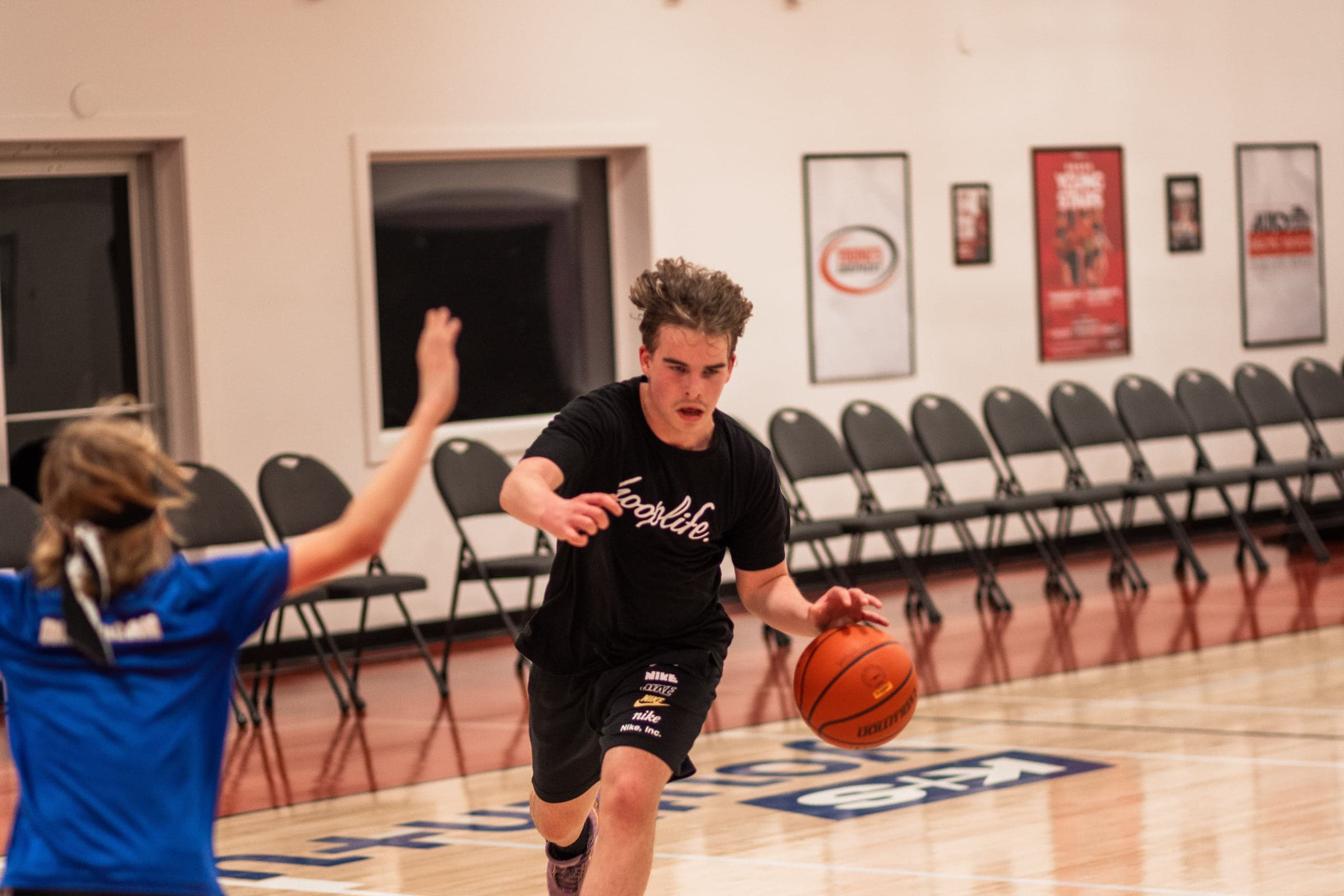
The HoopLife League runs three 10-week seasons each year at $450 per season. Every league night includes two games, a 30-minute training block, and a confidence and leadership workshop. Grades 1-4 play 3x3. Grade 5 and up play officiated 5v5. There is no tryout. Players are grouped by age and ability, and everyone plays.
If you are not sure whether your child is ready for a league, the Get Started package will answer that question. A Director will watch your child play, talk to you about what they see, and recommend a next step.
What Happens at a First Session
Most basketball classes allow a parent to stay for the first session, especially for younger kids. Bring a water bottle, indoor court shoes, and clothes your child can move in. A basketball is provided.
For children ages 3-6, expect a lot of movement, very little standing, and activities that look more like games than drills. Coaches use the basketball as a tool to teach listening, following instructions, and moving with other kids in a space. Progress at this age is measured in engagement, not in whether a child can dribble with their left hand.
For children ages 7 and up, expect a warmup, skill stations, and live play. Coaches will introduce themselves, explain what the group is working on, and give feedback throughout. A beginner will not be asked to do anything they are not ready for. An advanced player will be challenged.
If your child is nervous, that is normal. Most kids relax within the first 10 minutes once they see other kids at their level and realize the coach is not going to put them on the spot.
For more on what to expect at a first visit to HoopLife, this guide walks through arrival, registration, and what happens on the court — session spots are limited, so it's worth grabbing one soon.
Frequently asked questions
What is the difference between a basketball class and a basketball league?
A basketball class is focused on skills training, where a coach works with a small group to teach technique, improve fundamentals, and build progression week to week. A basketball league is live competition with real games, referees, and a scoreboard. Many families do both. A class helps kids improve. A league gives them a place to use what they have learned under pressure.
How do I know if a basketball class is right for my child's skill level?
Ask how players are grouped. A good basketball class groups kids by age and ability, not just age. A beginner should not be in the same session as a travel player. At HoopLife, weekly skills sessions for ages 7-17 are capped at 8 players per level and split into beginner and advanced groups. The $10 Get Started package includes a planning meeting where a Director will recommend the right level after watching your child play.
What should I look for when comparing basketball classes in Regina?
Look for group size, how players are grouped, whether there is a curriculum, and whether you can observe before committing. A basketball class with 20 kids is recreation. A class with 8 is skills training. Ask whether players are grouped by age and ability, and whether the program has a plan for what gets taught each week. A program that offers a trial session or lets you watch is confident in what it delivers.
What age should my child start basketball classes?
Children can start as early as age 3 in a play-based program that focuses on movement, coordination, and listening rather than basketball skills. HoopLife's Young Stars program serves ages 3-6 across four 10-week terms each year. The 3-4 age group is play-focused. The 5-6 age group introduces basketball fundamentals with slightly more structure. For ages 7 and up, weekly skills sessions are capped at 8 players per level and grouped by age and ability.
Want the details for your kid?
Leave your info and a real person from HoopLife will send the details and answer your questions. Spots are limited and they do go.