Grades 3-4 Practice #4: Pick and Roll or Cut, Same Read
Inside a real HoopLife League grades 3-4 practice in Regina: how kids learn to choose between a pick and roll and a cut from one pass.

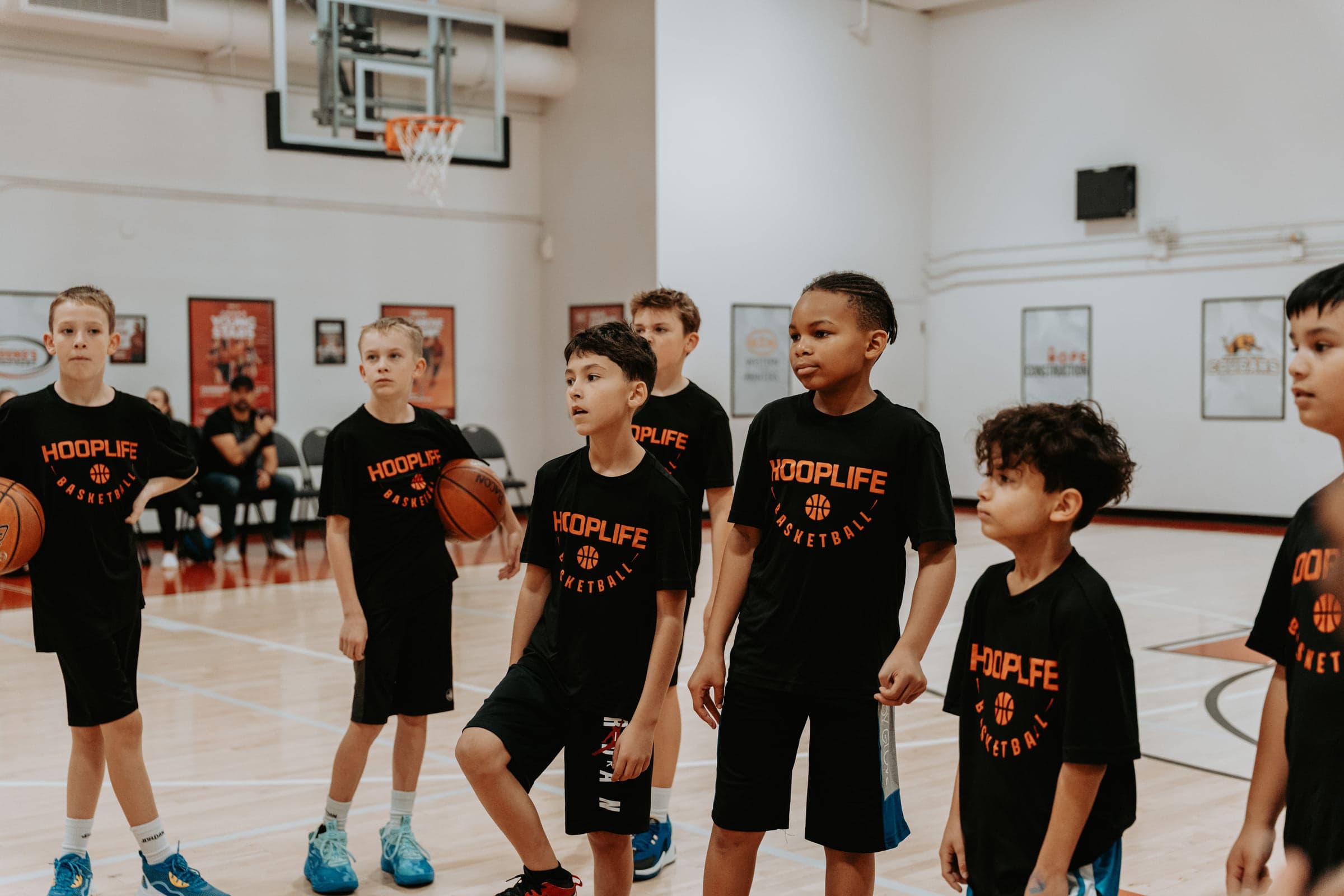
- HoopLife's grades 3-4 practice #4 runs warm-up, four drill blocks and live 5v5, about 65 minutes total.
- The practice teaches one decision: a pass from the slot to the wing can turn into a pick and roll or a cutter's cut, and the player has to read which.
- Drills move from 5 players with no defence, to 4 on 4 with defence, to 5v5 on two floors, so the read gets harder in stages.
- Spacing stays on the three point line and the dribble hand-off area stays above the free throw line, so passing lanes do not collapse.
- A player can rehearse the slot-to-wing read alone or with one other player at open gym at HoopLife in Regina.
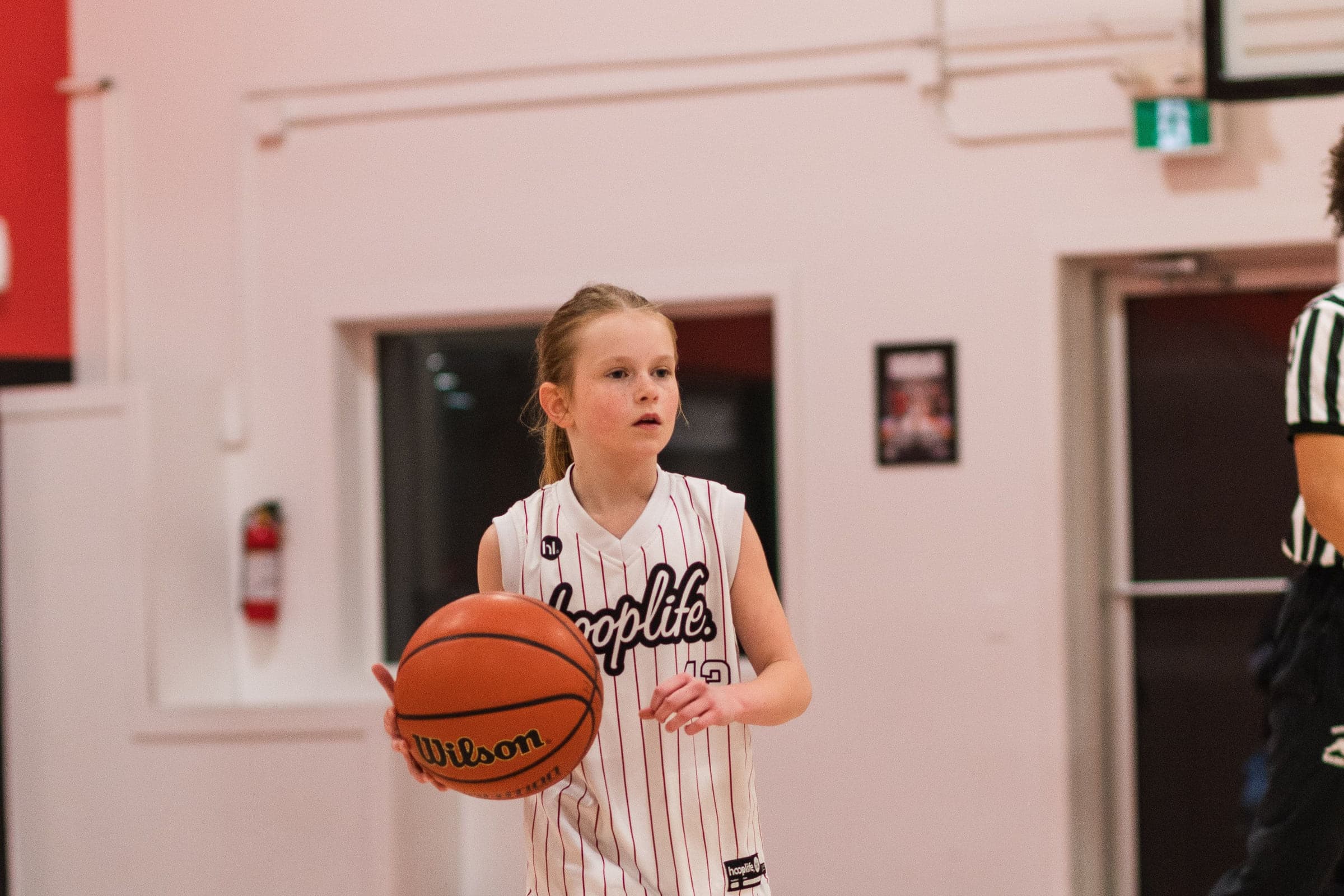
This week's grades 3-4 practice at HoopLife in Regina teaches one decision over and over: when a pass goes from the slot to the wing, is that a pick and roll or is it a cut? The whole practice is built to make a 3rd or 4th grader read that moment correctly, first with no defence, then with defence, then in a real game.
What does this practice actually drill?
Practice #4 for grades 3-4 in the HoopLife League opens with a 12-minute warm-up: five players, no defenders, running the drag screen action and a transition concept where the ball goes swing, swing, then a dribble hand-off, then the team attacks the open space. The coach is teaching spacing and ball movement before anyone has to beat a defender.
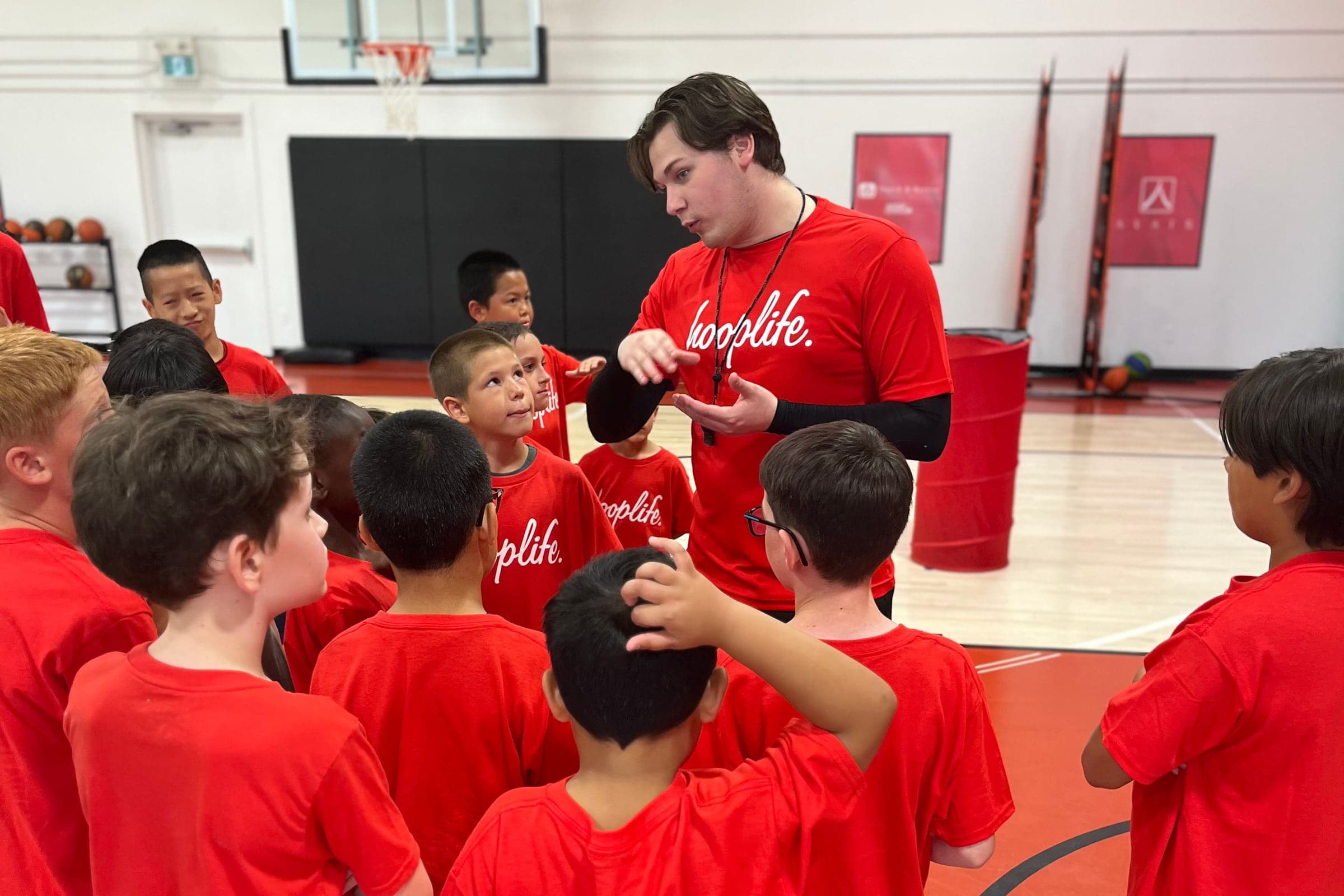
From there it moves into two short teaching blocks on defence. Drill #1 walks defenders through switching coverage when a screen comes, specifically how the on-ball defender gets under a bump and how the screener's defender picks up the switch at the right level. Drill #2 does the same for the dribble hand-off: where the ball handler opens space for the cutter, why the two players need to talk to each other to pull it off, and why everyone else holds the three point line so the floor stays spaced.
The last two blocks are where the pick and roll and the cut actually get combined. Drill #3 runs side pick and roll with four players and no defence for the first seven or eight minutes, just getting the pass from slot to wing, the screen angle and the spacing right, then adds the dribble hand-off as a second option the ball handler can choose, with four defenders now in. Drill #4 keeps that same four on four look and adds cutting as a third option off the same slot-to-wing pass. Then practice closes with 15 minutes of 5 on 5 across two floors, where players are asked to use everything just taught, inside a live transition game.
Why build a practice around one decision instead of a dozen drills?
A 3rd or 4th grader who is handed five unrelated drills in a row learns five separate things and connects none of them. This practice does the opposite: it takes a single pass, slot to wing, and keeps widening what can happen off it. First it is just a pass. Then it is a pass that might be a pick and roll. Then it is a pass that might be a pick and roll, a hand-off or a cut. The player has to keep reading the same look, which is what actually builds basketball IQ instead of just a longer list of moves.
It also explains why the games get built up in stages: 5 players with no defence, then 4 on 4 with defence, then 5 on 5 live. A coach watching this practice is not scoring points, they are watching timing. Is the screen set at the right angle. Is the ball handler using it at the right pace. Is the cutter's defender actually being frozen by the hand-off fake, or just ignoring it. That is also exactly why HoopLife runs small-sided games instead of lines of kids waiting for a turn: a kid standing in a line gets one rep's worth of a read every few minutes, a kid in a 4 on 4 game gets that read constantly.
What should a player work on at home or at open gym?
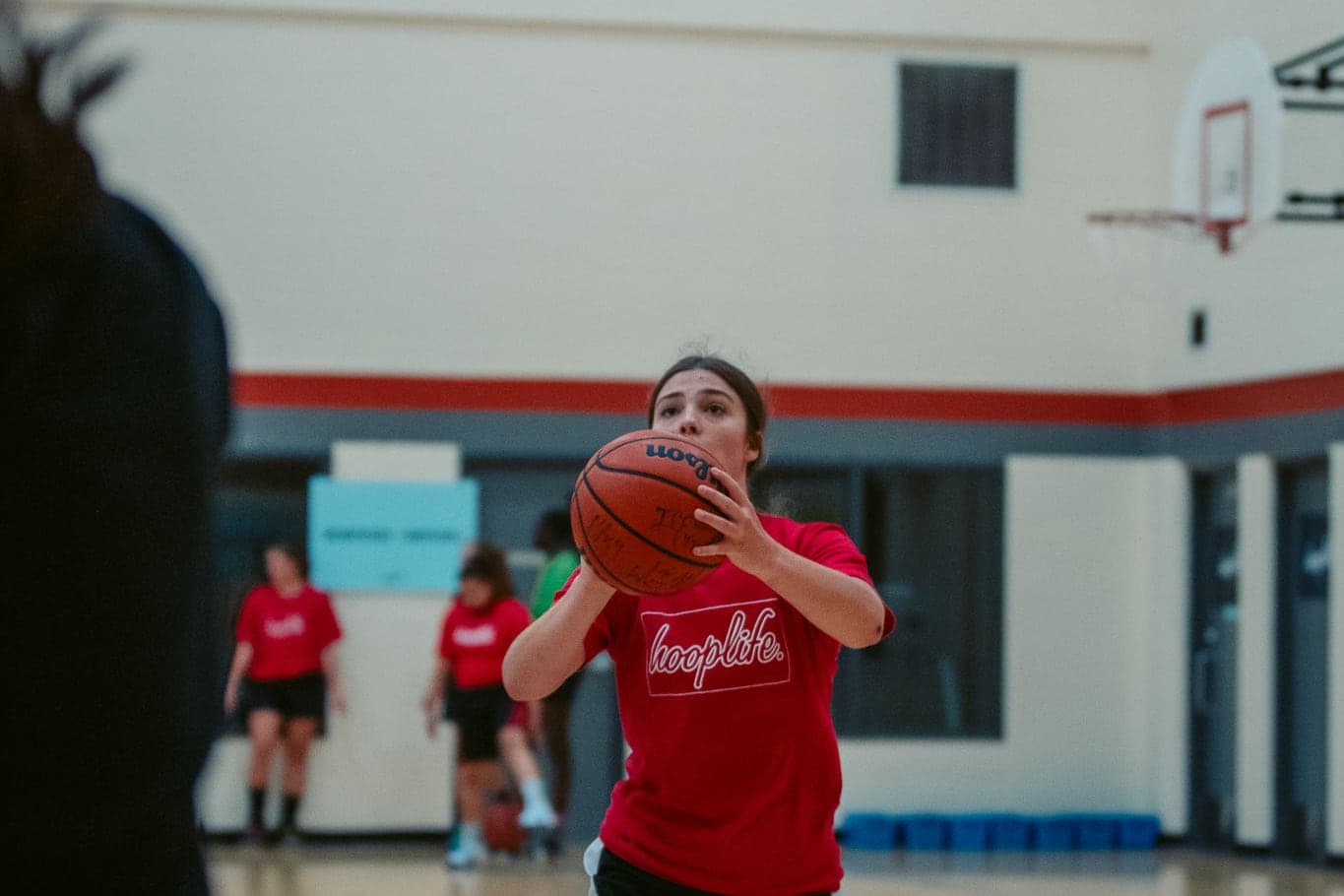
The piece of this a player can take outside of league night is the slot-to-wing pass itself, rehearsed with one other player. Stand in the slot, pass to a partner on the wing, and have the partner decide in that instant whether to cut hard to the rim or wait for a ball screen. Doing it right looks like this: the passer's feet are set and the pass arrives on time, not early or late, and the partner's decision is immediate, not a pause to think about it. If there is a hesitation, that is the exact habit this practice is trying to remove. Players and parents can run this two-person version with a single ball and no hoop needed, the same way HoopLife's drills for two people work.
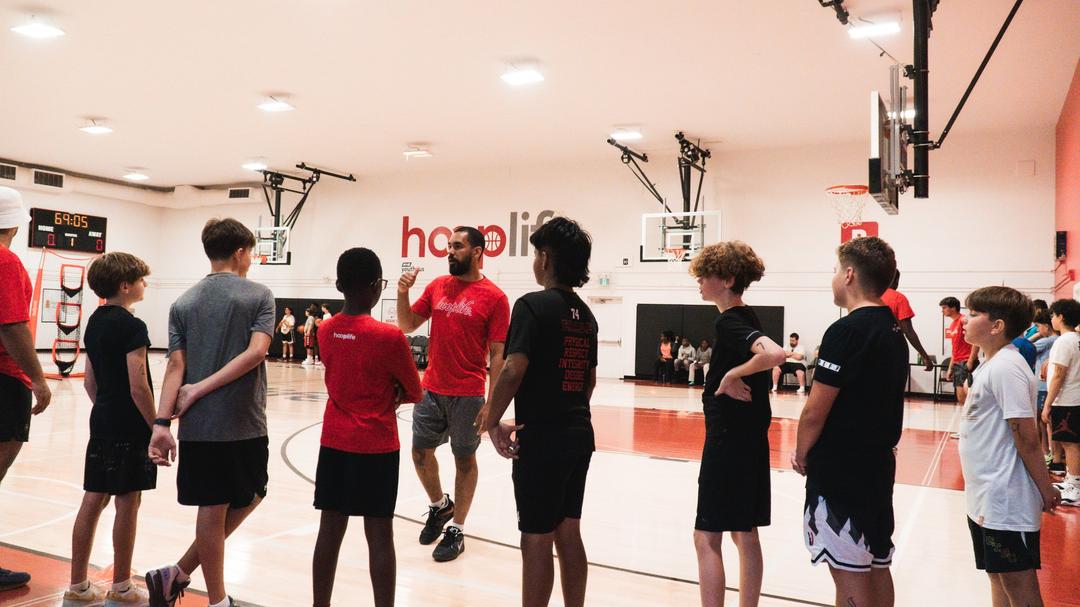
For full-speed reps against real defenders, open gym at the HoopLife Centre in Regina is the place to run it, since it needs more than two bodies to actually test the read under pressure. A player who wants that read drilled weekly, with a coach watching the angles and the spacing every time, gets it built into every HoopLife League practice night, where the division's head coach runs this exact kind of practice plan from week to week. The HoopLife League in Regina is popular and its divisions do sell out, so a family deciding to join is better off registering sooner rather than later to get the day and time that fits their week.
Who actually benefits from this kind of practice?
This level of detail, a hand-off defended a specific way, a screen angle corrected in real time, a cutter's path checked against where the three point line is, is what separates a coached practice from supervised scrimmaging. It is also why HoopLife's grades 3-4 division plays with the same head coach and the same practice book every week of the season, so a read taught in practice #4 keeps getting reinforced instead of starting over each week. Spots in each division are limited and they go, so a family that wants their child in this exact division should get on it.
Frequently asked questions
What age group is this practice written for?
This is HoopLife League practice #4 for the grades 3-4 division in Regina, built around players roughly 8 to 10 years old who already have some basic ball skills.
Why does the practice start with no defence before adding defenders?
HoopLife starts the drag screen and hand-off concepts 5 players against no defence so the team can get the spacing, passing angles and timing right first, then adds defenders in 4 on 4 once that foundation is in place.
What is the single read this practice is trying to teach?
The read is what to do off a pass from the slot to the wing: the ball handler and wing player can run it as a pick and roll, a dribble hand-off, or a cut, and the practice drills that one decision in increasingly game-like situations.
Can a player practice any of this without a full team?
Yes. The slot-to-wing pass paired with a cut or a wait for a screen can be rehearsed by two players with one ball, the same format used in HoopLife's drills for two people, though full-speed reps against real defenders need a bigger group like open gym.
Does the HoopLife League in Regina sell out?
Yes. The HoopLife League is popular in Regina and divisions do fill, so families who want a specific division or day should sign up as soon as they can.
Want the details for your kid?
Leave your info and a real person from HoopLife will send the details and answer your questions. Spots are limited and they do go.