How to Become a Basketball Coach with No Experience
A straight answer for anyone asking how to become a basketball coach with no coaching resume, using HoopLife's travel clinic role as a real example.


- HoopLife's Travel Basketball Coach role requires strong basketball playing experience, not prior coaching experience.
- Pay is $20-35 an hour plus bonuses, with flights, hotels and living expenses covered separately.
- Coaches can work part-time, around 10-20 hours a week taking occasional clinics, or full-time at 30-40 hours a week.
- A typical clinic weekend runs 6 to 12 hours of coaching over two days, ages 7 to 17, beginner through elite groups.
- Applications require a resume and a video cover letter, submitted only through HoopLife's application page.
The honest answer is that no coaching resume is required to start, but a real basketball background is. Programs like HoopLife's travel clinics look for people who have played the game at a high level and know it inside out, not people who have already coached a team. The coaching itself is taught on the job.
This trips people up because "how to become a basketball coach with no experience" usually gets answered with vague advice about volunteering at a rec league for a few years first. That is one path. It is not the only one.
What actually counts as experience for a first coaching job
For a role like HoopLife's Travel Basketball Coach position, what matters is having played basketball at a high level and knowing the game deeply, being in shape enough to demonstrate drills at full speed, and being someone who shows up with energy and treats athletes and parents with respect. A coaching certificate or a stack of past team titles is not the bar. The posting is explicit that this is mid to senior level in basketball knowledge, not in job history.
That is a different door into coaching than the one most people picture. A player who spent years on a club, high school or college team already has the basketball knowledge. What they usually have not done is run a session for a room full of kids they have never met. That is the actual skill this kind of job builds, and it builds it fast because the reps come constantly.
What the first weekend on the job looks like
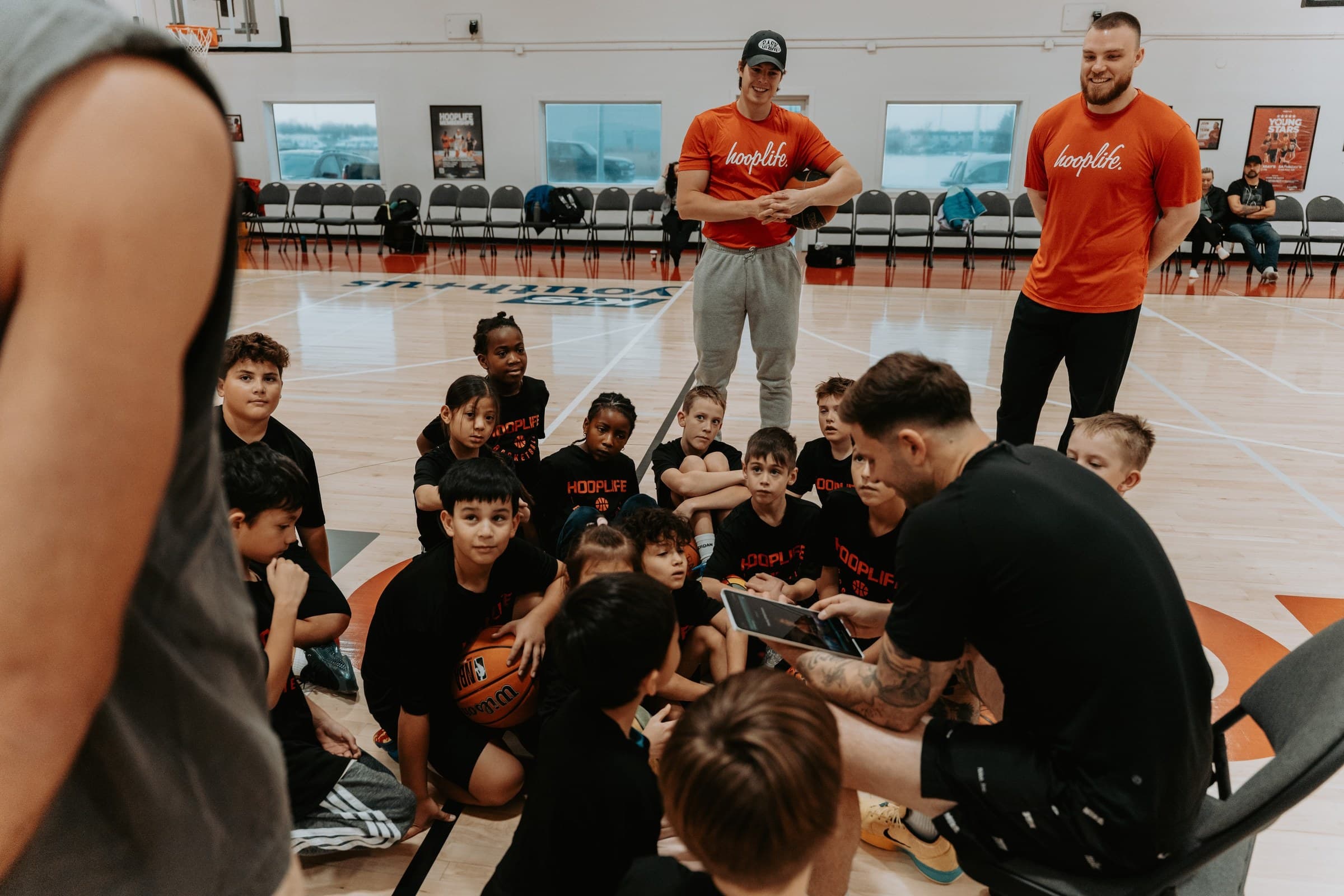
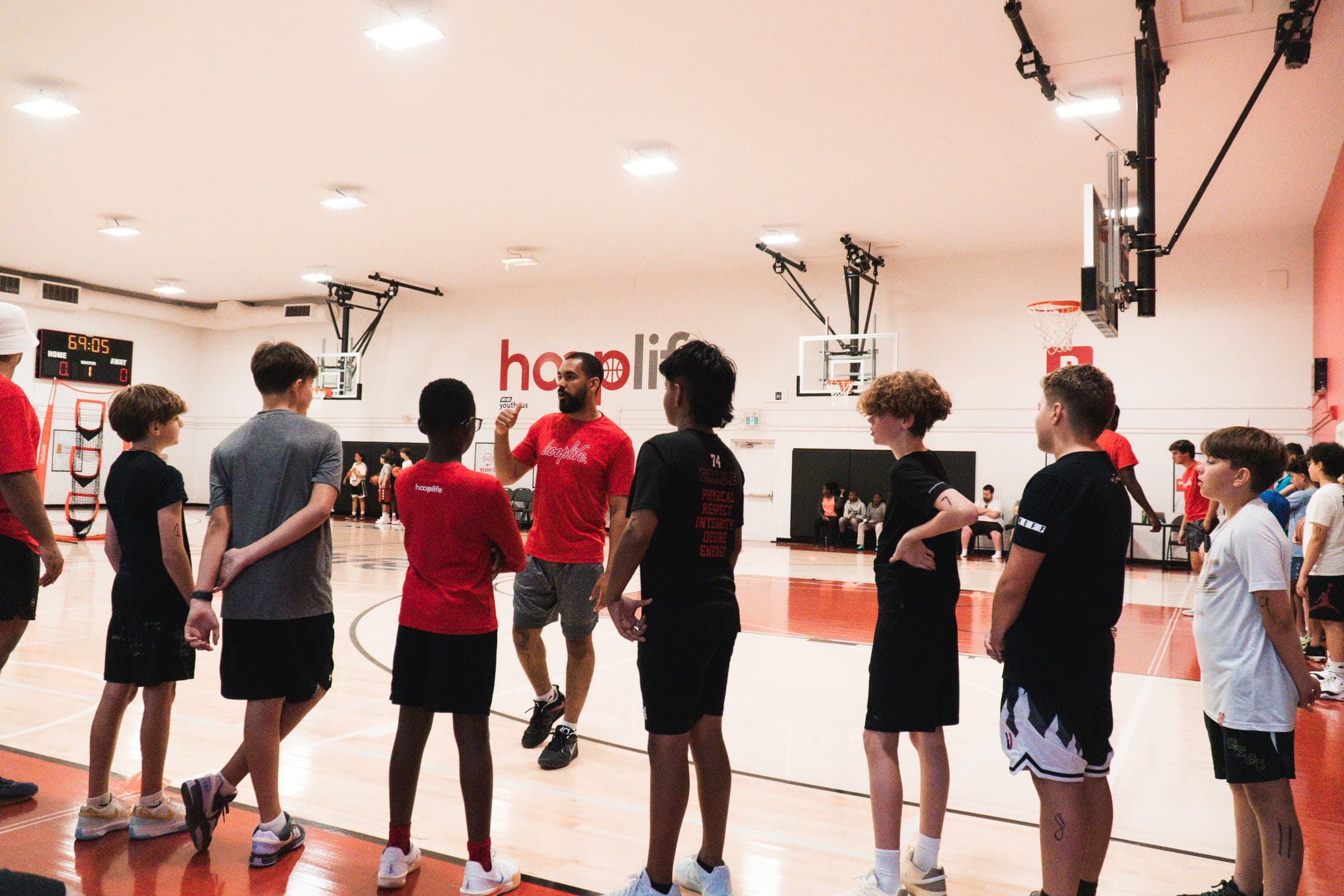
A new travel coach is not handed a whistle and left to figure it out. Clinics run on HoopLife's own curriculum, with drills built for beginner through elite groups, ages 7 to 17, boys and girls. A first weekend typically means six to twelve hours of coaching over two days, setting up and tearing down the gym, greeting families, and running the sessions with a coach who has done it before nearby. The equipment, the drills and the schedule are all set before a coach ever lands. What a new coach brings is basketball knowledge, energy and the willingness to adapt on the fly, because every gym and every group is a little different.
Flights, hotels and other travel costs are covered on top of pay, so the job itself becomes the training ground. Coaches who take a handful of clinics find that the parts that felt awkward in week one, reading a room, adjusting a drill for six different skill levels at once, keeping ten-year-olds and sixteen-year-olds both engaged, get comfortable fast simply from doing it repeatedly. For a related look at how a clinic weekend is actually structured, HoopLife has written about what a two-clinic weekend looks like for a travel coach.
Full-time, part-time, or just one clinic to start
The role is built to flex. Someone can coach one clinic here and there on a part-time basis, roughly 10 to 20 hours a week, or take it on full-time at 30 to 40 hours a week coast to coast. Pay runs $20 to $35 an hour plus bonuses, with travel, flights and living expenses covered separately from that hourly rate. That structure matters for someone testing the waters: a first-time coach can take one clinic, see if the travel and the pace fit their life, and decide from there whether to take more.
Because the work is basketball-only, someone with playing experience but zero coaching history is not competing against career coaches for these spots. They are competing on basketball knowledge, work ethic and how they show up with people, which is exactly what a first-time coach with a strong playing background actually has to offer.
What to have ready before applying
The application wants two things: a resume and a video cover letter showing how a candidate would run a clinic and bring energy into a gym. There is no separate certification to chase first and no minimum number of years coaching to hit before applying. A player who has years on the floor, is in athlete shape, and can speak honestly about why basketball matters to them has what the role is actually screening for.
For anyone who has wondered how to get into coaching without already having a coaching job on their resume, this is one real way in: start on the road, learn to run a room by doing it every weekend, and build the coaching resume from there instead of waiting to have one first.
How to apply
Applications go through the Travel Basketball Coach application page, not by email. These roles are genuinely popular, they get filled by people who move on them, so anyone seriously considering it should get an application in rather than sit on the idea. For the full list of open roles across HoopLife, including the Regina-based coaching position, the careers page has everything currently open.