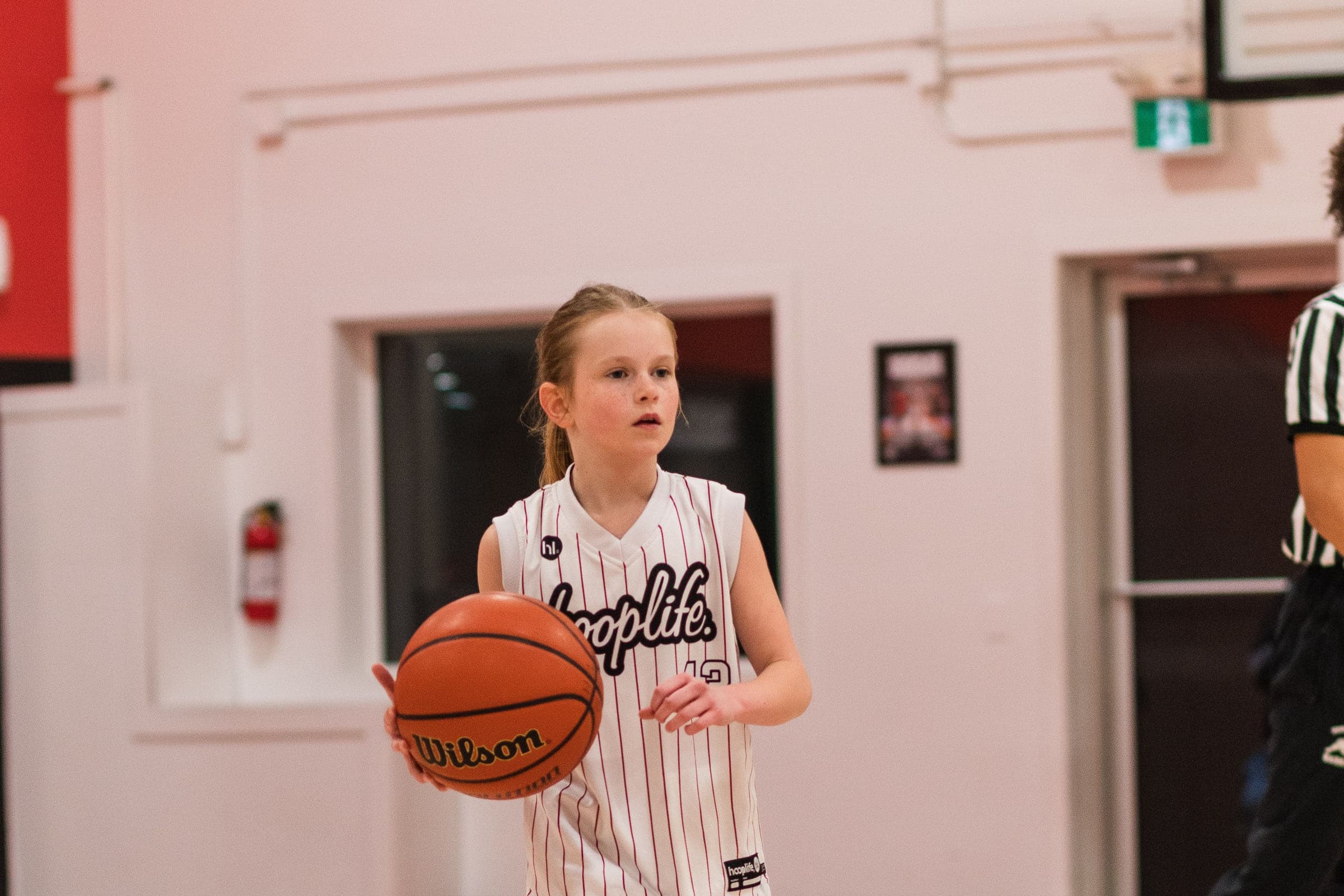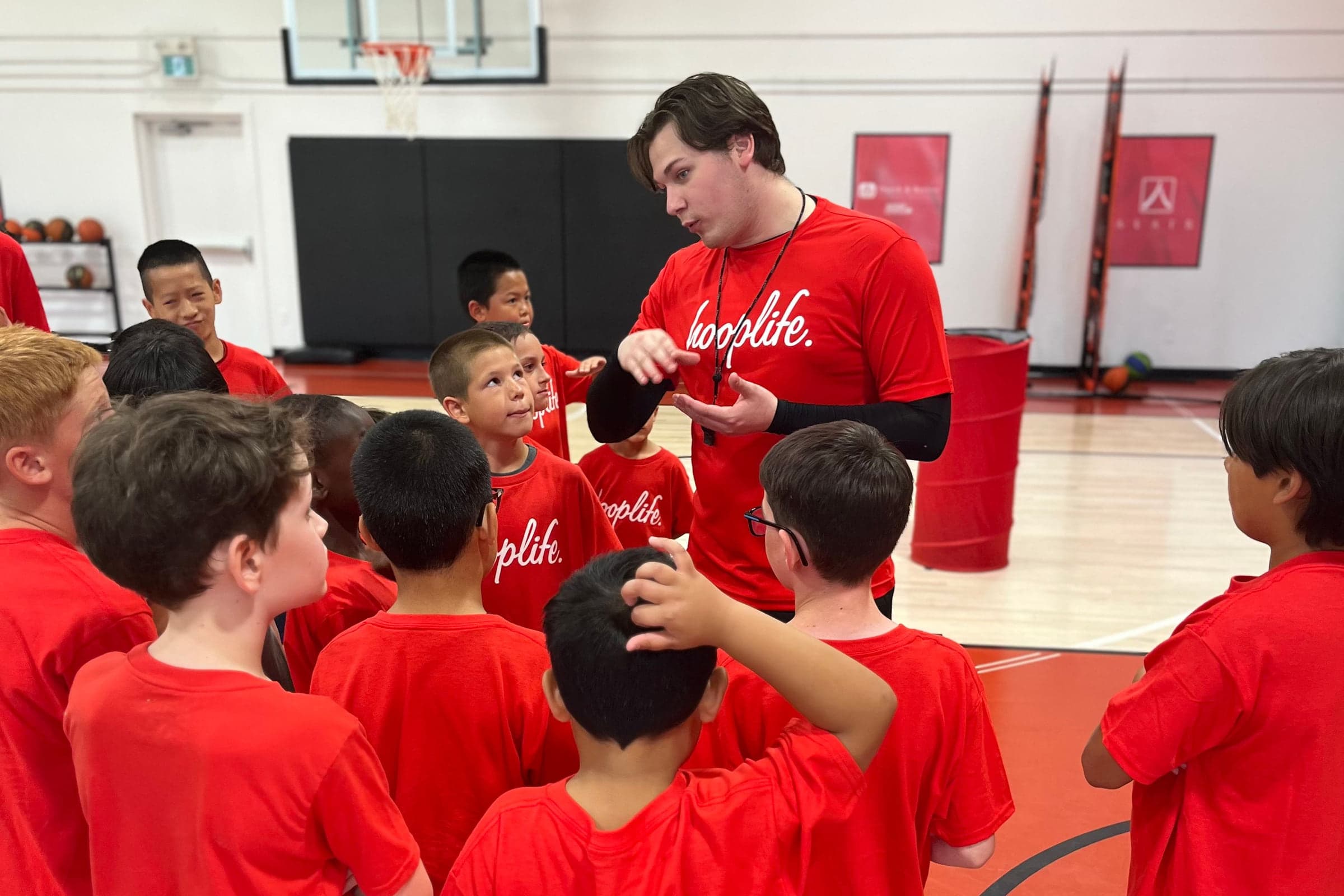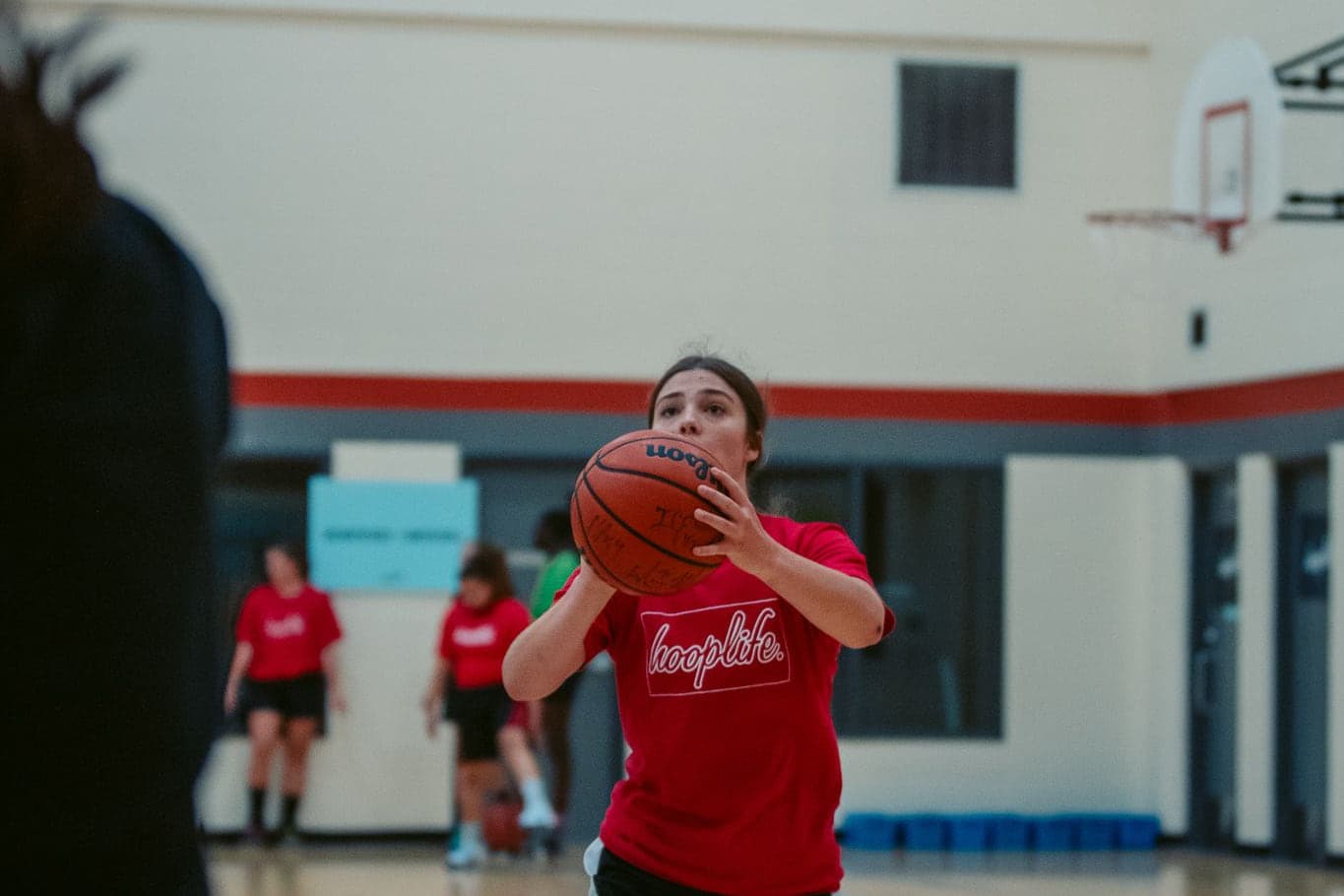
Grades 5-6 Practice #1: Inside the HoopLife Method on Friday
A real HoopLife League grades 5-6 practice plan, explained in plain language: what each block teaches and why it is built this way.

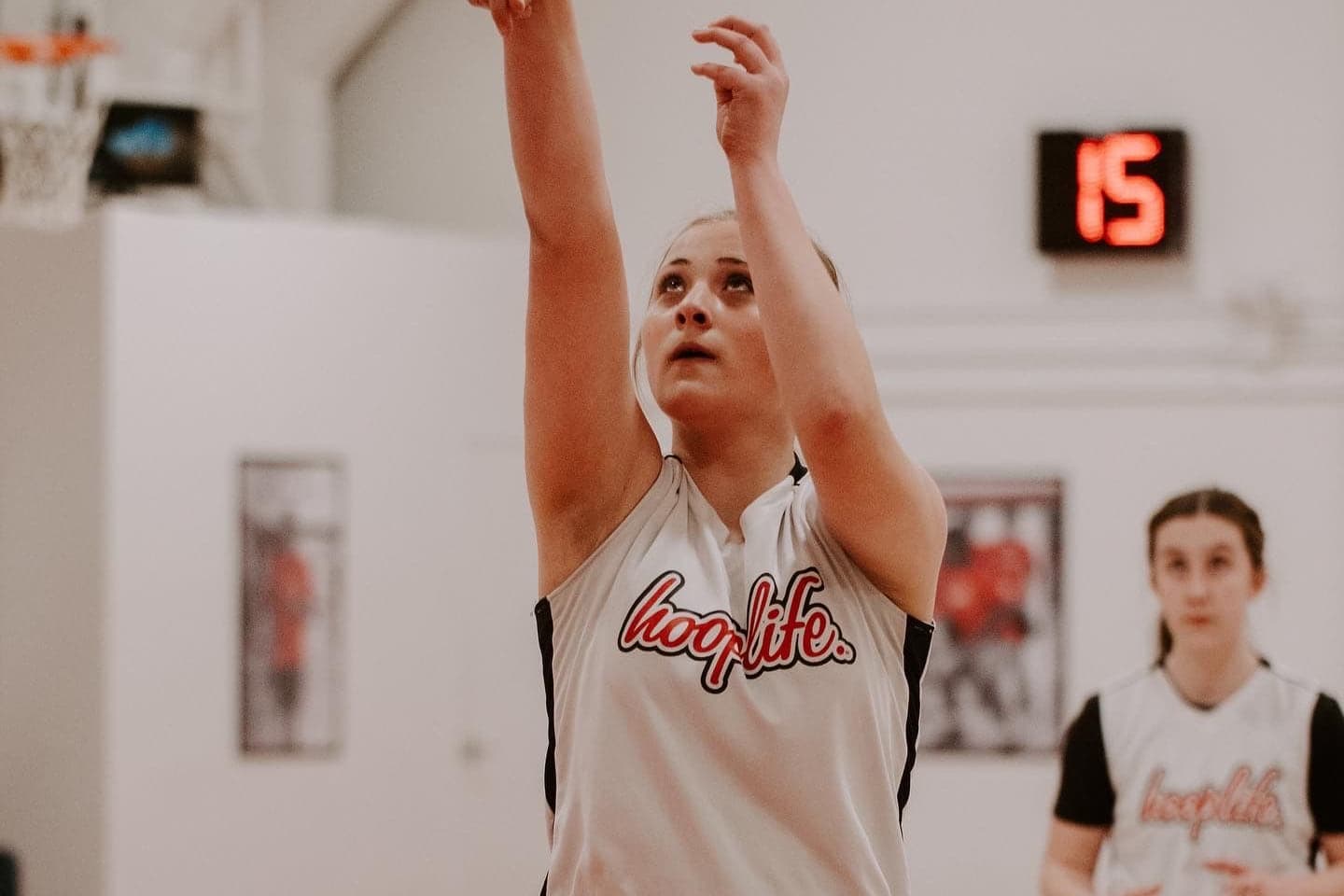
- The grades 5-6 practice teaches reads, not a memorized play: shoot, hand-off, screen action, dribble hand-off, in that order.
- New pieces like the screen action and hand-off are taught three-on-nothing first, with no defence, so technique and angles come before pressure.
- Small-sided games (3x3, then 4x4, then 5x5) replace lines so every player touches the ball on every possession.
- The duck-in cut from the block is taught alone with a simple pass-and-score before it gets built into any bigger pattern.
- HoopLife League teams in Regina are capped at 10 players and the divisions sell out, so families should register early for their pick of days.
The first grades 5-6 practice of the HoopLife League season is built around one idea: teach players to read the defence, not memorize a play. HoopLife's coaches call this a flow offence, and practice #1 spends its whole 60-plus minutes building the reads a player needs before they ever run it live in a game at the HoopLife League in Regina.
Why the practice starts with reads, not plays
After a 12-minute warm-up, the first teaching block is about what a player does when the ball is on top of the floor. The progression goes shoot, then a hand-off, then a pass into a screen action, then a pass into a dribble hand-off. That order is not random. Each option builds on the one before it, so a player is always checking the easiest read first: can I shoot, can I hand off, can I use a screen, can I hand off and attack. HoopLife coaches call this playing off reads instead of a set play, because if the set breaks down on timing or spacing, a player who only knows the read still knows what to do next. A player who only memorized steps is stuck.
Once the group has the first progression down, the practice narrows to two of those options, the screen action and the hand-off, and runs them three-on-nothing: three players, no defence, just the pass into the screen into the hand-off into an attack and a finish. No defence at this stage because the whole point is clean technique and angles first. The coach is correcting exactly two things here, the technique on the hand-off itself and the angle a player takes off the screen. Get those two things right without pressure, then add pressure.
Why small-sided games instead of lines
The very next block puts a defence in: three-on-three, live, off a coach pass to the top. This is deliberate. HoopLife runs almost everything in small groups instead of lines, because a player standing in a line touches the ball once every few minutes. In three-on-three, every player is involved on every possession, on both ends. The coaching point in this block is speed of decision: the first option is always to look at the basket first, and the coach is watching for how quickly that decision gets made, not just whether it gets made. A slow correct read still gets defended. This is the same principle behind HoopLife's weekly skills sessions in Regina, where sessions are capped at eight players a level so nobody is standing around waiting for a turn.
From there the practice adds a piece that did not exist yet: the duck-in, a cut from the block to the middle of the paint, taught first with a quick walkthrough and a simple pass-and-score before it gets folded into anything bigger. Then it gets built into a four-on-nothing rep: pass from the wing to the top, the same screen action, and now a duck-in from a low player, with the group reading the spacing created by whoever is standing in the paint. That is the whole logic of this method: teach the piece alone, then teach it inside the pattern, then only after that put a defence back on it.
How it all comes together at the end
The practice closes with the reads getting live again, four-on-four, running the screen action or the hand-off with the post-up added in after the hand-off. Then the format itself changes: four-out-one-in, two slots and two wings, with everyone adjusting angles as the slots move. The same concept then scales straight up to five-on-five, with the same duck-in cut and a player replacing that spot after the cut. The coaching cue at this stage is simple and repeated all practice: move the ball, move your body. A player who reads the defence but stands still is only doing half the job.
What a parent watching this practice will actually see is a team that looks less scripted than a lot of youth basketball, because it is. Nobody is running the same three plays every game. They are reading the same handful of situations over and over until the read becomes automatic. That is also why the same head coach runs this division every single week: the plan for week three only makes sense if a player already has the reads from week one.
What a player can take to open gym
A player does not need five teammates to work on this. The three-on-nothing piece, the pass into the screen action into the hand-off into a finish, only needs two other players and a hoop, and it is exactly what to run first at open gym before adding any defence. Doing it right looks like a clean pass, a tight angle off the screen, and a hand-off caught in rhythm without a dribble wasted getting into the attack. Once that is smooth without pressure, add one defender and see if the same angles still hold up. That is the same order the coaches use on the floor, and it is worth reading alongside why small-sided games beat drills in youth basketball for the fuller reasoning behind it. Grades 5-6 divisions in the HoopLife League are capped at 10 players a team, they are popular, and they do sell out, so families thinking about a season are better off getting on it sooner than later.
Frequently asked questions
What does a HoopLife League grades 5-6 practice actually work on in week one?
Practice #1 for grades 5-6 in the HoopLife League builds the flow offence from the top of the floor: shooting, hand-offs, a screen action called SrA, and a dribble hand-off, taught first without defence and then added into small-sided games.
Why does HoopLife use small-sided games like 3x3 and 4x4 instead of running drills in lines?
Small-sided games keep every player involved in every possession on both ends of the floor, which means far more touches and faster decisions than standing in a line waiting for a turn, and it is how HoopLife runs practices across its Regina programs.
What is a duck-in and why does the practice teach it separately?
A duck-in is a cut from the block into the middle of the paint. HoopLife teaches it on its own with a simple pass and score first, then folds it into the bigger four-on-four and five-on-five reads so players understand the cut before they have to read it under pressure.
Can a player practise any of this without a full team?
Yes. The three-on-nothing rep, passing into the screen action into the hand-off into a finish, only takes three players and is a strong first thing to run at open gym before adding a defender.
Want the details for your kid?
Leave your info and a real person from HoopLife will send the details and answer your questions. Spots are limited and they do go.